Business
We will cover a wide range of topics from business management to entrepreneurship, HRM, supply chain and managing organisational change.

Overview and Rankings
Combining academic knowledge with practical experience to prepare graduates for a wide range of software engineering careers.
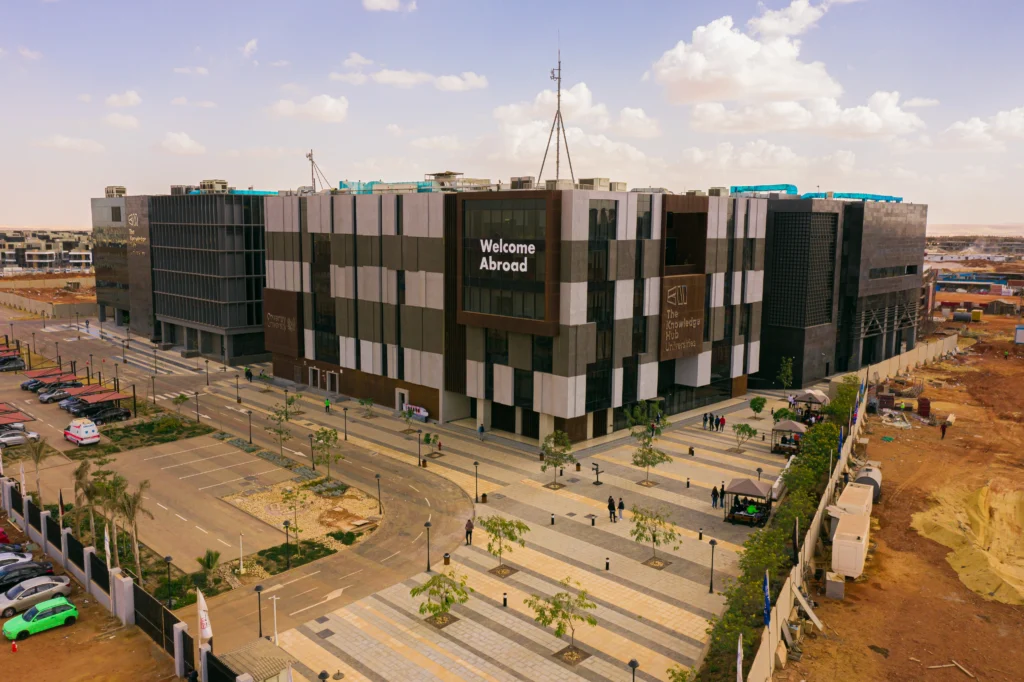
BSc (Hons) Software Engineering is delivered by the School of Computing at the Coventry University Branch at TKH.
The course is applied and vocationally driven, equipping students with the practical and theoretical skills to develop, test and maintain software across a wide range of career paths — from web and app development to embedded systems, data science, and security.
Teaching covers computational thinking, programming, computer architecture, data science, and full-cycle software development, culminating in an individual, academically supervised research project at Level 6.

Study Themes
You will master the following topics during your study at this programme journey.
Our successful Software Engineering graduates will be confident, technically capable computing professionals, equipped to apply computational thinking and programming to design, build and maintain software solutions for real-world problems.
They will demonstrate strong capability across the underlying architecture of modern computing systems, data science and large-scale data handling, and full-cycle software development, from requirements analysis through to testing and evaluation.
Graduates will show individual, collaborative and professional skills — time management, teamworking, written and verbal communication to both technical and non-technical audiences, and critical reflection on their own and others’ work — developed through industry-relevant, team-based project work using modern tools such as version control and automated testing. They will understand the technical, social, ethical and legal responsibilities of professional practice, equipping them to pursue advanced, specialist work in emerging areas of software engineering according to their own interests.
Career Paths
Explore the opportunities and possibilities that can follow your degree.
You will be expected to learn how to conduct both primary and secondary research and put your skills into practice by undertaking an independent and in-depth study of a marketing or business topic of your choice. This will form the basis of your final-year dissertation.
Journey
What do you want to learn to achieve the career paths mentioned
Please Note: We regularly review our course content to make it relevant and current for the benefit of our students. For these reasons, course modules may be updated. Text Link
What is credit/national hour?
A credit/notional hour is the formal name for the estimated hours that are expected that a student would need to complete a module
How many hours is 1 credit?
1 credit is equal to 10 notional hours, so 20 credits are equal to 200 notional hours, The 200 hours includes time in lectures, tutorials, preparing for your lectures, assessments as well as your own personal revision and studying that you would do
Can study hours exceed the estimate?
In reality, you might actually go above and beyond the expected notional hours, in particular if your degree requires a lot of independent learning you would most likely exceed the predicted hours
How many credits are in a UK semester?
In the UK system each semester is 60 credits worth which is equivalent to at least 600 hours of study in one term. This is approximately equivalent to 8 hours of study a day
Facilities
Check our campus facilities and services. Flip through different categories images to explore.
In our ever-changing world, mechanical engineers develop new and differing uses for technologies and materials, in order to improve the mechanical operation of equipment and devices used in anything from food and oil production to international construction projects or the design of toys.
You will have the opportunity to participate in field trips and internships in major engineering companies locally in Egypt and in international companies.
You will have access to modern facilities such as the Manufacturing & Materials Centre, the Civil Engineering & Structures lab, the Hydraulics lab, the Thermofluid lab, the Automation & Control Systems lab, Engineering Lab Building, the Fablab, the Electrical Engineering lab, and the Electronics Engineering lab among many other labs.
Computer labs Computer labs Computer labs Computer labs Computer labs Computer labs Computer labs Computer labs Computer labs Computer labs Computer labs Computer labs Computer labs Computer labs Computer labs Computer labs Computer labs Computer labs Computer labs Computer labs Computer labs
AI research center AI research center AI research center AI research center AI research center AI research center AI research center AI research center AI research centerAI research center AI research center AI research center AI research center AI research center AI research center AI research center AI research center AI research center AI research center AI research center AI research center AI research center AI research center AI research center AI research center AI research center AI research center AI research center AI research center AI research center AI research center AI research center AI research center AI research center AI research center AI research center AI research center AI research center AI research center AI research center AI research center AI research center AI research center AI research center AI research center
Stay Updated

School of Business
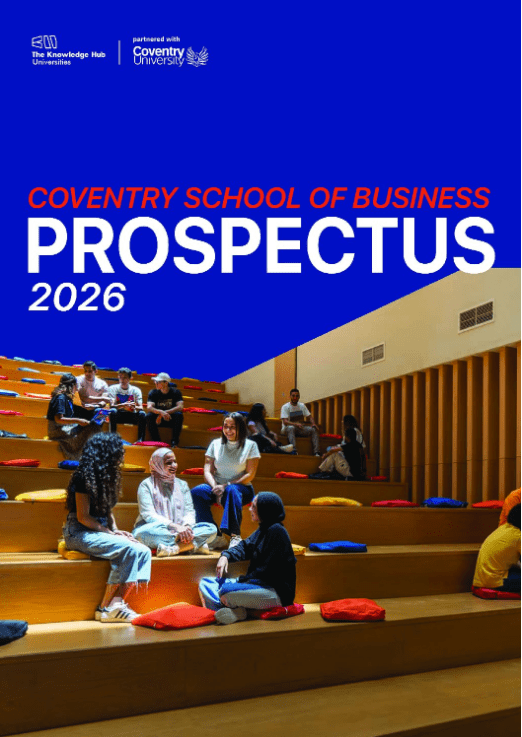
School of Business

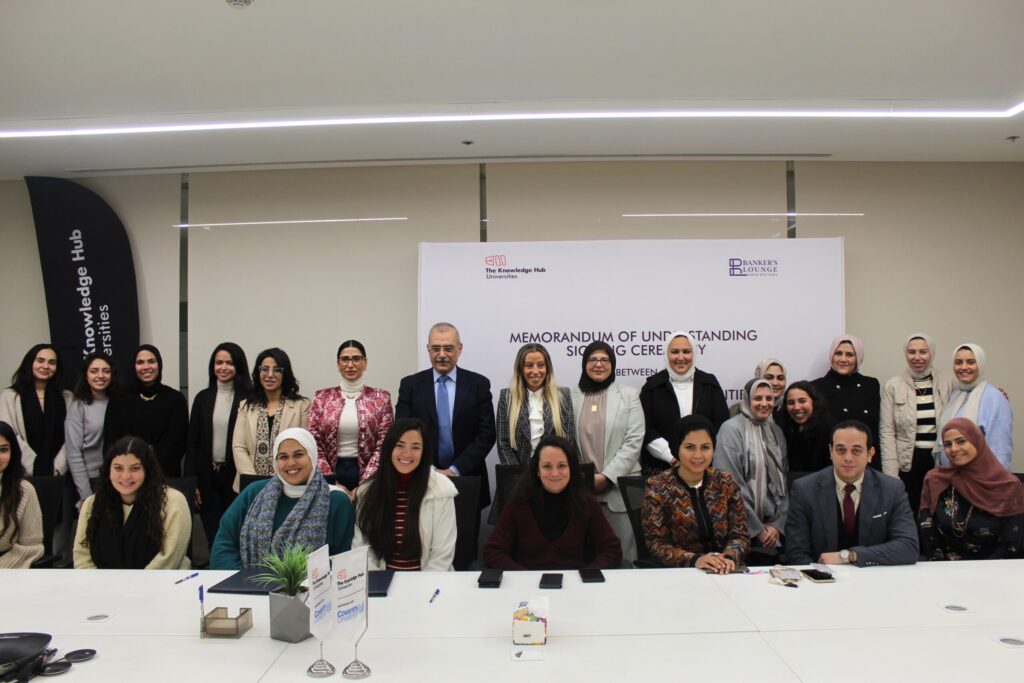
School of Business
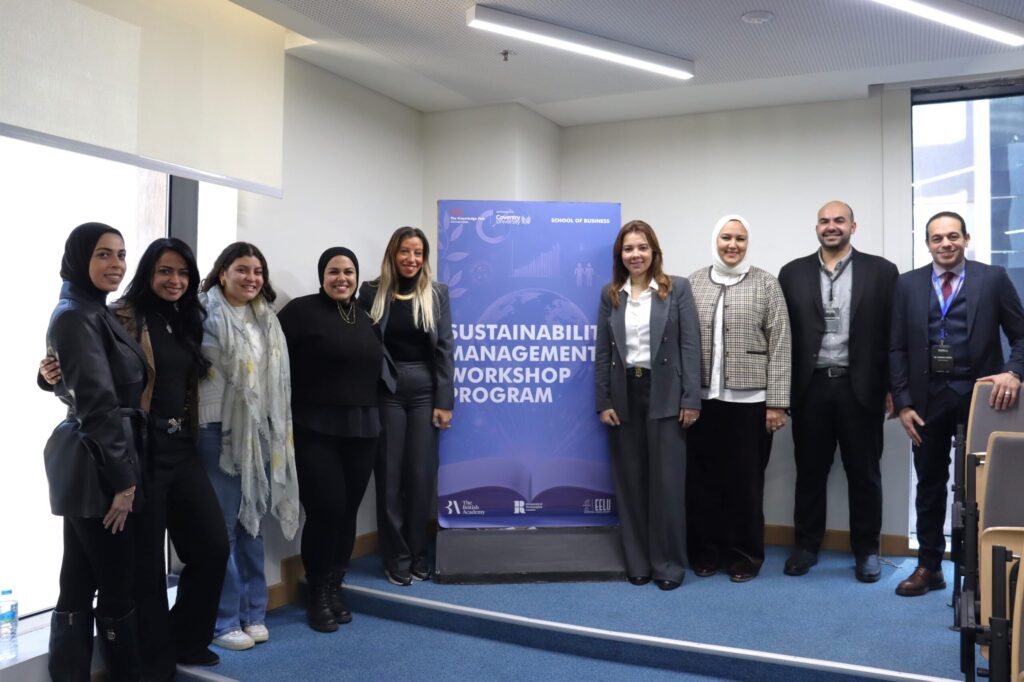
School of Business