Managing and Leading
The leadership and management of people within organisations.

Overview and Rankings
Combining academic knowledge with practical experience to prepare graduates for a wide range of business administration careers.
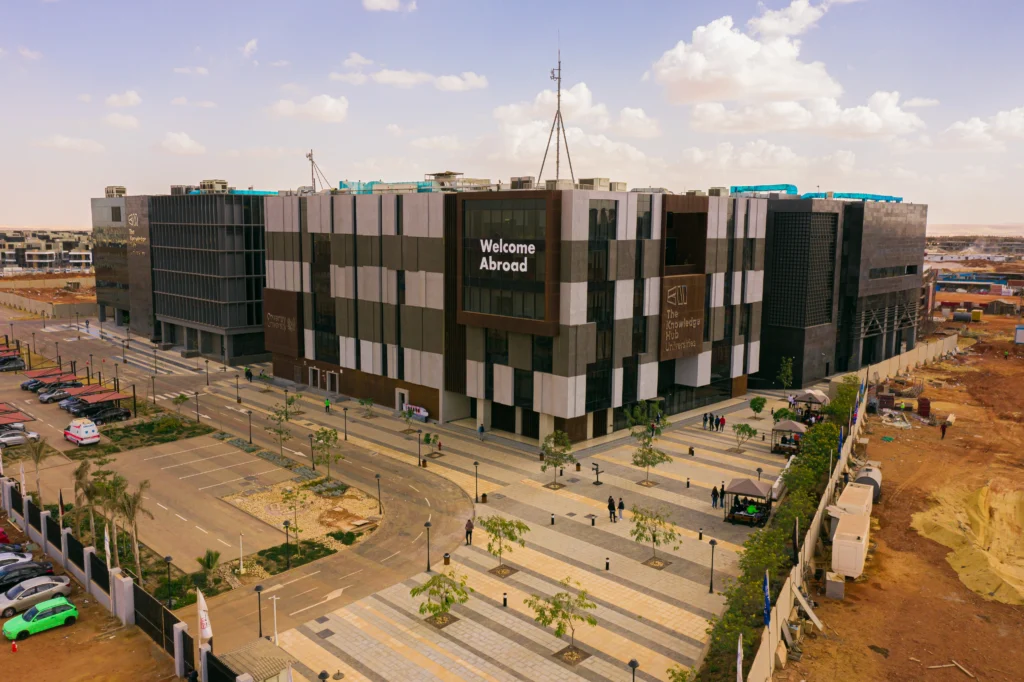
BBA (Hons) Business Administration is delivered by the School of Strategy and Leadership within the Faculty of Business and Law at the Coventry University Branch at TKH.
The course develops broad business knowledge with an emphasis on applying theory to real business situations, covering leadership and management, international business and globalisation, strategy, markets, and project and change management.
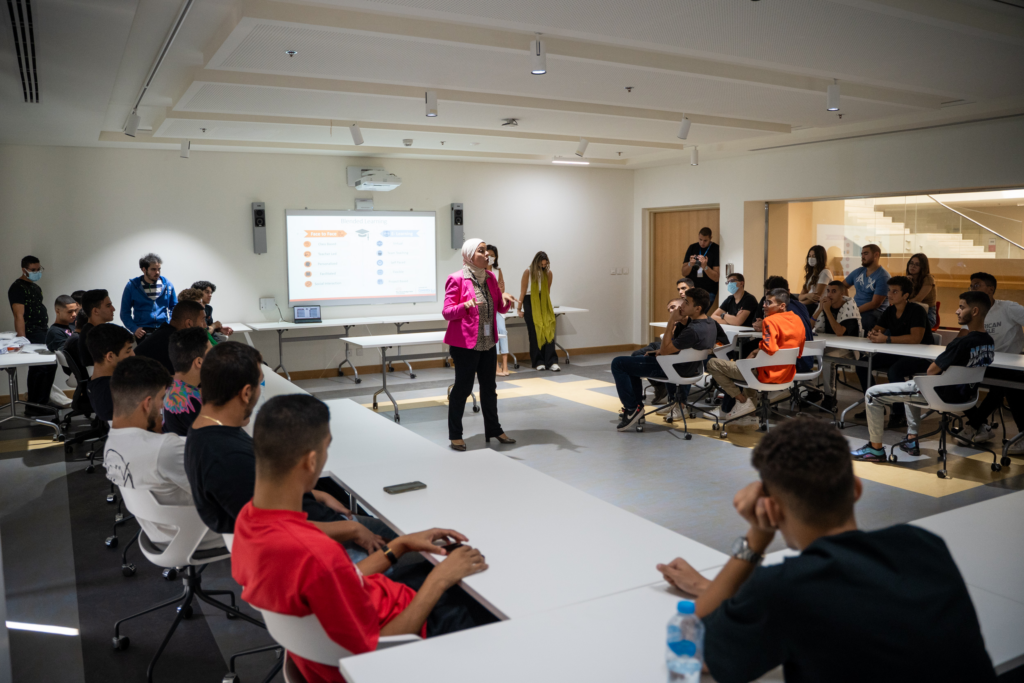
Teaching is active, applied and case-study led, supported by guest lectures, field trips, and dedicated business-simulation facilities.

Study Themes
You will master the following topics during your study at this programme journey.
Our successful Business Administration graduates will be confident, adaptable business professionals, equipped to apply management and organisational theory to real-world business situations across national and international contexts.
They will demonstrate strong capability in leading and managing people, understanding markets and customer needs, and developing and implementing business strategy within a dynamic global environment, alongside practical competence in project and change management.
Graduates will show the individual, collaborative and professional skills captured in Coventry’s Graduate Attributes — adapting their approach, thinking creatively, communicating effectively, getting things done, and acting with integrity — developed through case-study learning, live projects, and international collaboration via COIL. They will be able to evaluate business decisions with awareness of their ethical, sustainable and global implications, equipping them for a wide range of business careers in Egypt and internationally.
Career Paths
Explore the opportunities and possibilities that can follow your degree.
Business Administration graduates are prepared for a broad range of roles across the national and international business environment rather than one fixed specialism.
The course’s grounding in management, strategy, global business, supply chain and project management opens pathways across multiple business functions and sectors, with graduates typically progressing into management, strategy or specialist operational roles, or on to postgraduate study.
Journey
What do you want to learn to achieve the career paths mentioned
Please Note: We regularly review our course content to make it relevant and current for the benefit of our students. For these reasons, course modules may be updated. Text Link
What is credit/national hour?
A credit/notional hour is the formal name for the estimated hours that are expected that a student would need to complete a module
How many hours is 1 credit?
1 credit is equal to 10 notional hours, so 20 credits are equal to 200 notional hours, The 200 hours includes time in lectures, tutorials, preparing for your lectures, assessments as well as your own personal revision and studying that you would do
Can study hours exceed the estimate?
In reality, you might actually go above and beyond the expected notional hours, in particular if your degree requires a lot of independent learning you would most likely exceed the predicted hours
How many credits are in a UK semester?
In the UK system each semester is 60 credits worth which is equivalent to at least 600 hours of study in one term. This is approximately equivalent to 8 hours of study a day
Facilities
Check our campus facilities and services. Flip through different categories images to explore.
In our ever-changing world, mechanical engineers develop new and differing uses for technologies and materials, in order to improve the mechanical operation of equipment and devices used in anything from food and oil production to international construction projects or the design of toys.
You will have the opportunity to participate in field trips and internships in major engineering companies locally in Egypt and in international companies.
You will have access to modern facilities such as the Manufacturing & Materials Centre, the Civil Engineering & Structures lab, the Hydraulics lab, the Thermofluid lab, the Automation & Control Systems lab, Engineering Lab Building, the Fablab, the Electrical Engineering lab, and the Electronics Engineering lab among many other labs.
Computer labs Computer labs Computer labs Computer labs Computer labs Computer labs Computer labs Computer labs Computer labs Computer labs Computer labs Computer labs Computer labs Computer labs Computer labs Computer labs Computer labs Computer labs Computer labs Computer labs Computer labs
AI research center AI research center AI research center AI research center AI research center AI research center AI research center AI research center AI research centerAI research center AI research center AI research center AI research center AI research center AI research center AI research center AI research center AI research center AI research center AI research center AI research center AI research center AI research center AI research center AI research center AI research center AI research center AI research center AI research center AI research center AI research center AI research center AI research center AI research center AI research center AI research center AI research center AI research center AI research center AI research center AI research center AI research center AI research center AI research center AI research center
Stay Updated

School of Business

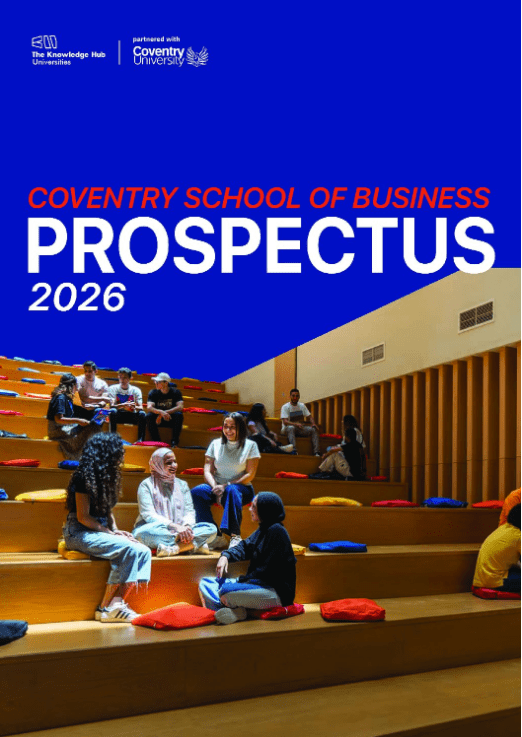
School of Business

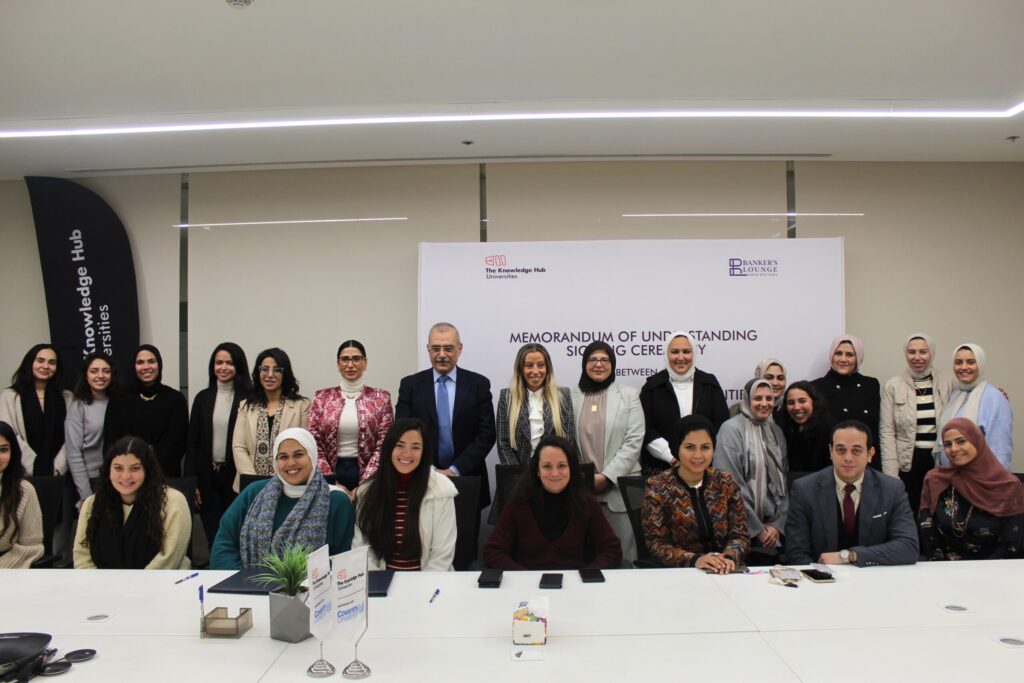
School of Business
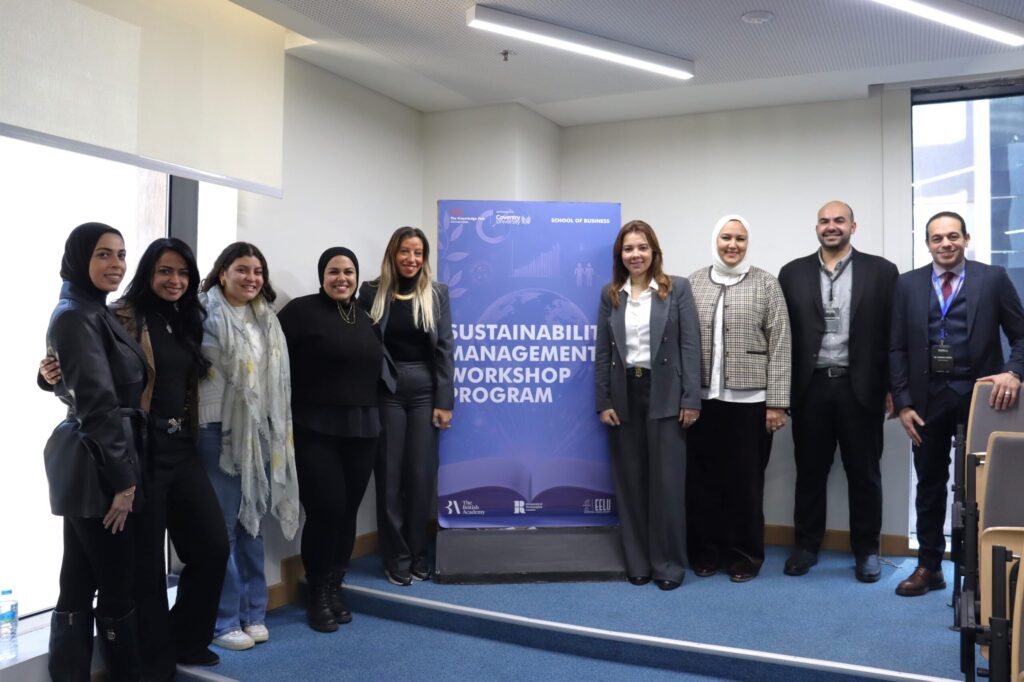
School of Business