Technical & Business Foundations
Acquire a balanced mix of technical and scientific knowledge alongside broader education in areas such as entrepreneurship, information systems and international business law.

Overview and Rankings
“Solid training in Management (Finance, Operations, Strategy, Organizational Behaviour, Marketing), Quantitative Methods and areas as Entrepreneurship, Programming, and Law. The perfect mix of tech-scientific knowledge and soft skills.”
The Bachelor’s programme in Management is based on a selection of core courses that contribute to a solid training in Management (Finance, Operations, Strategy, Organizational Behaviour, Marketing) and Quantitative Methods.
Students also receive a general education in other related areas such Entrepreneurship, Programming, and Law.
Students acquire a balanced mix of technical and scientific knowledge, as well as key soft skills.
Students are exposed to new contexts and experiences through the new “Careers with Impact” course, being challenged to play an active role towards a more equitable, sustainable, inclusive world. They will broaden their horizons, having the opportunity to apply their previous knowledge while developing important soft skills.
Study Themes
You will master the following topics during your study at this programme journey.
The Management programme provides a broad foundation in business and management, combining core academic knowledge with the flexibility to develop skills relevant to today’s business environment. Across the years of study, you’ll build your understanding progressively while developing the analytical, quantitative and professional capabilities needed to navigate complex organisational and commercial challenges. The programme also gives you the opportunity to shape your learning through a flexible curriculum, while studying primarily in English and gaining an international perspective on management.

Career Paths
Explore the opportunities and possibilities that can follow your degree.
Journey
What do you want to learn to achieve the career paths mentioned
Please Note: We regularly review our course content to make it relevant and current for the benefit of our students. For these reasons, course modules may be updated.
To graduate in Management, students must register for a minimum of 6 semesters (foundation year is not counted) and meet the following requisites:
Facilities
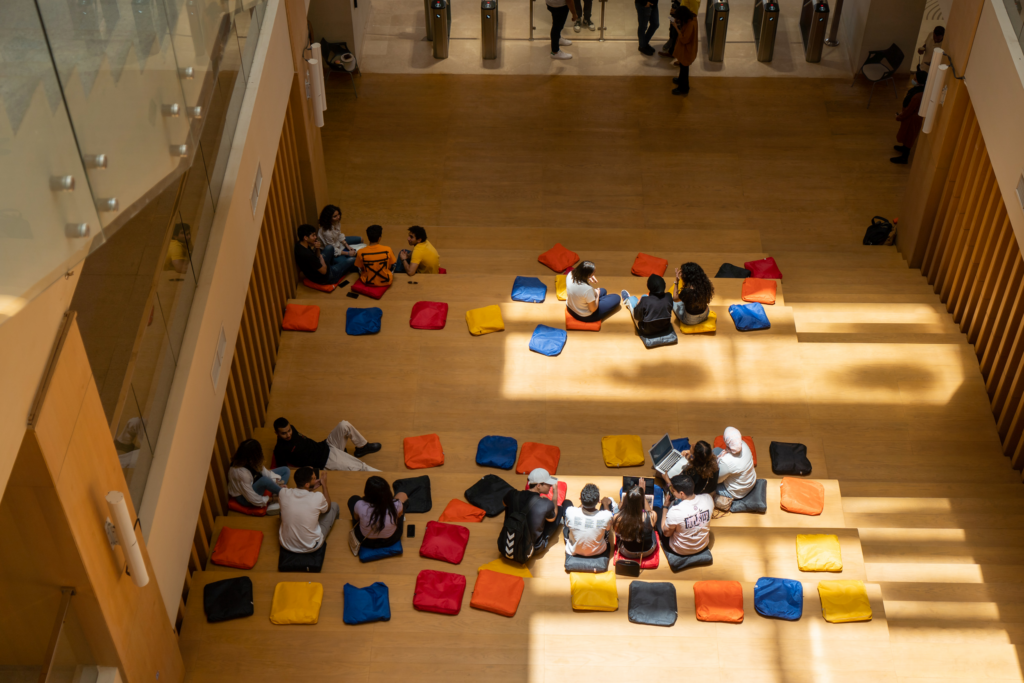
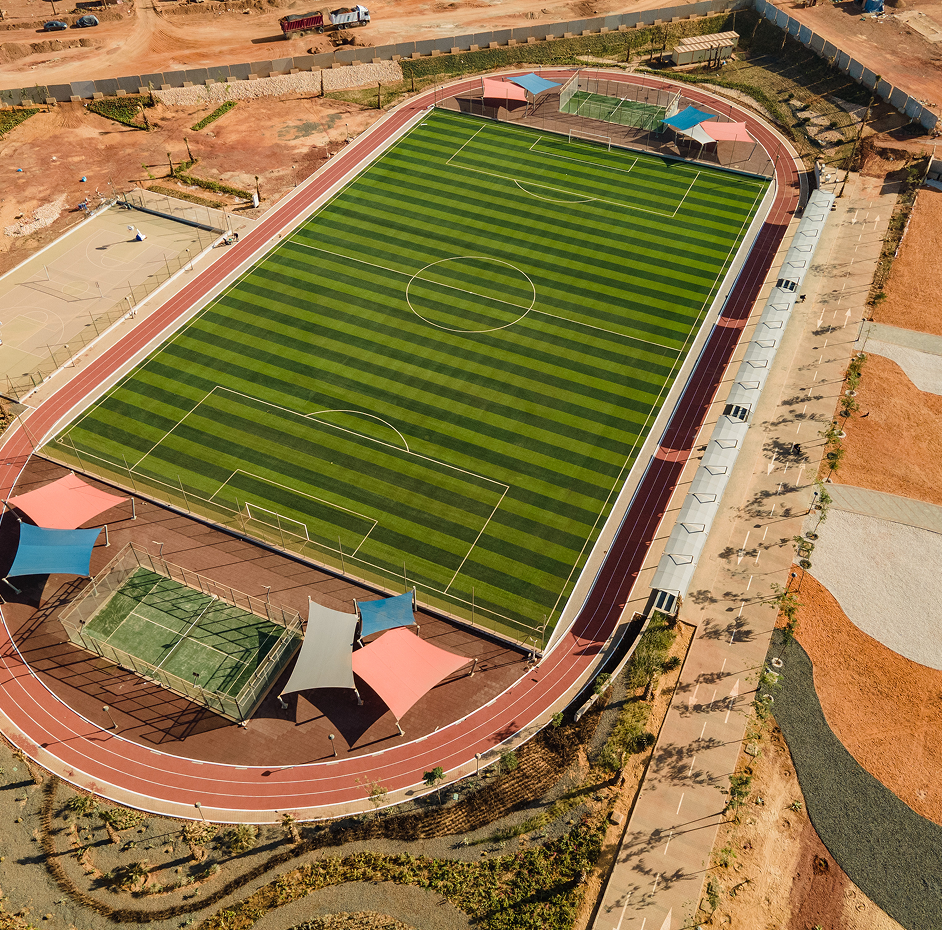
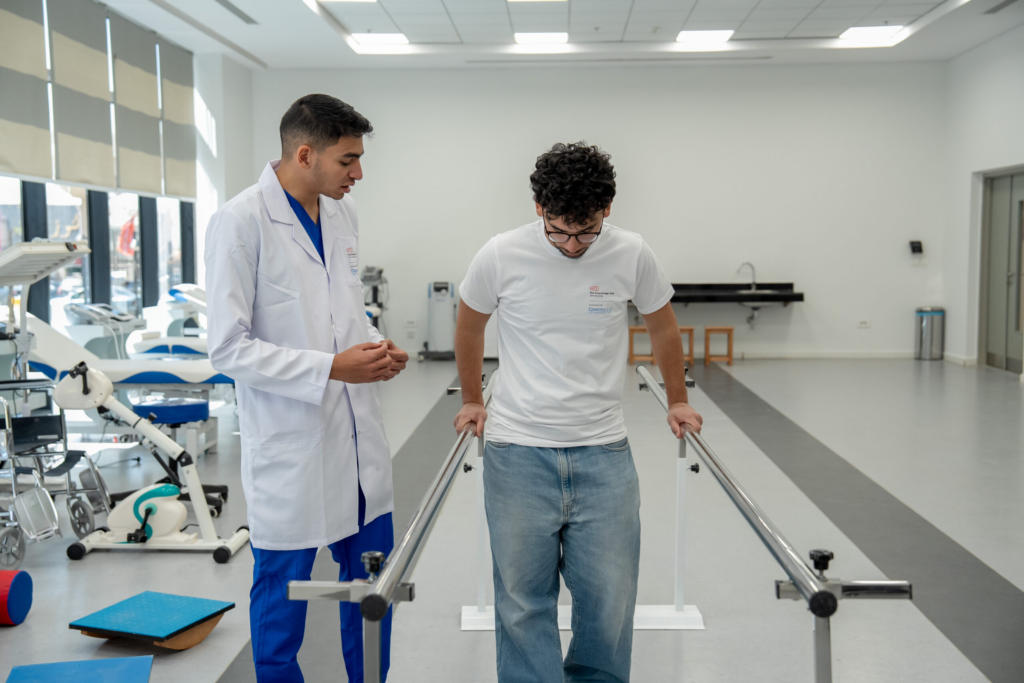
Check our campus facilities and services. Flip through different categories images to explore.
In our ever-changing world, mechanical engineers develop new and differing uses for technologies and materials, in order to improve the mechanical operation of equipment and devices used in anything from food and oil production to international construction projects or the design of toys.
You will have the opportunity to participate in field trips and internships in major engineering companies locally in Egypt and in international companies.
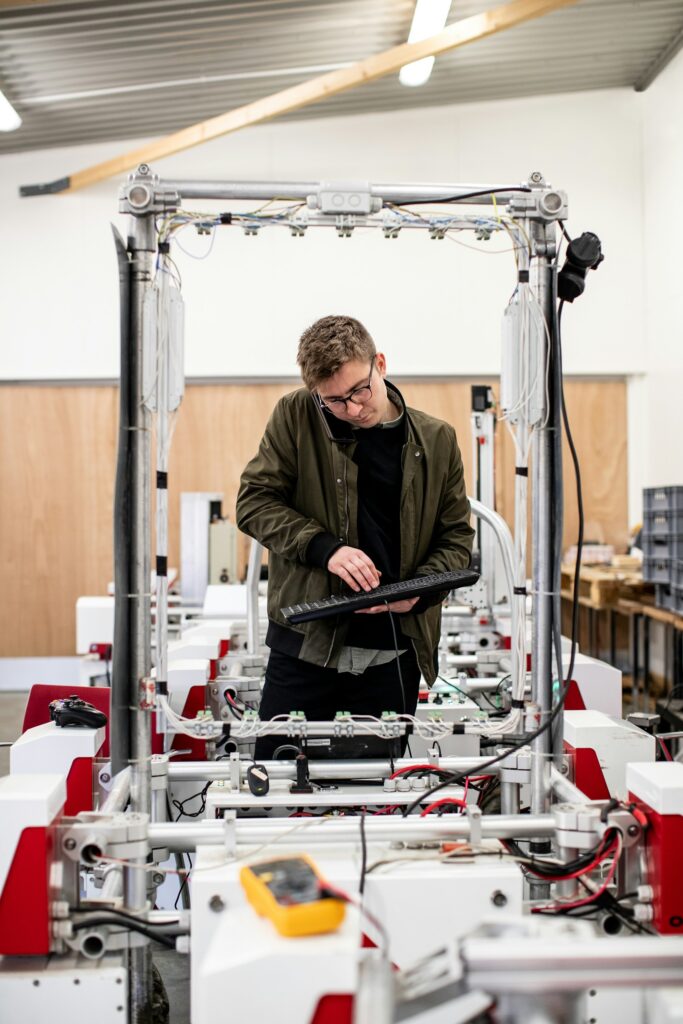
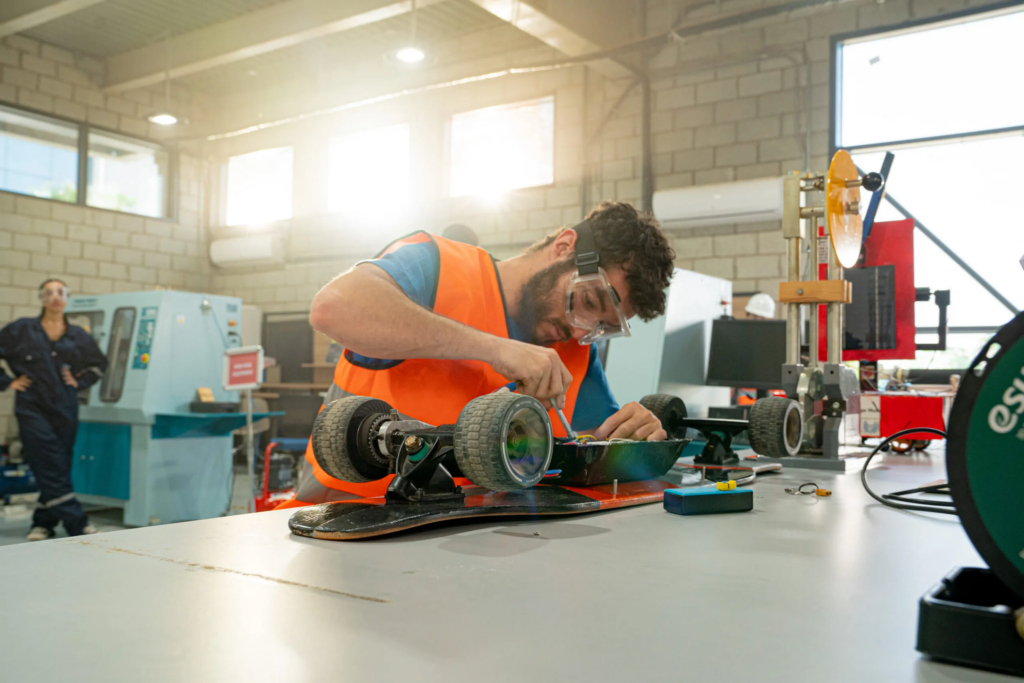
You will have access to modern facilities such as the Manufacturing & Materials Centre, the Civil Engineering & Structures lab, the Hydraulics lab, the Thermofluid lab, the Automation & Control Systems lab, Engineering Lab Building, the Fablab, the Electrical Engineering lab, and the Electronics Engineering lab among many other labs.
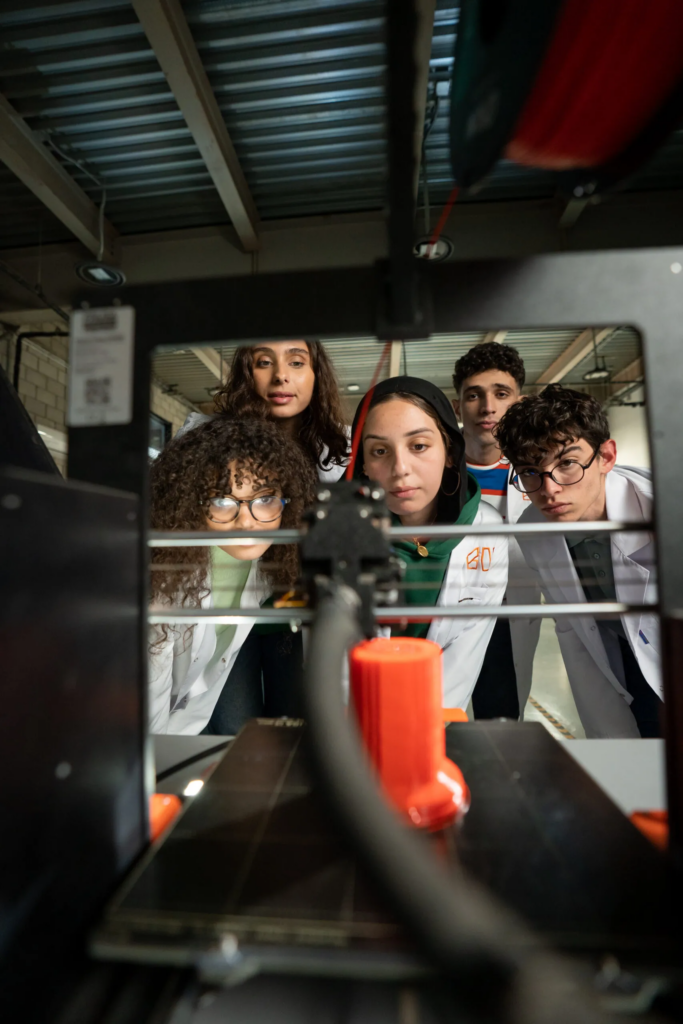
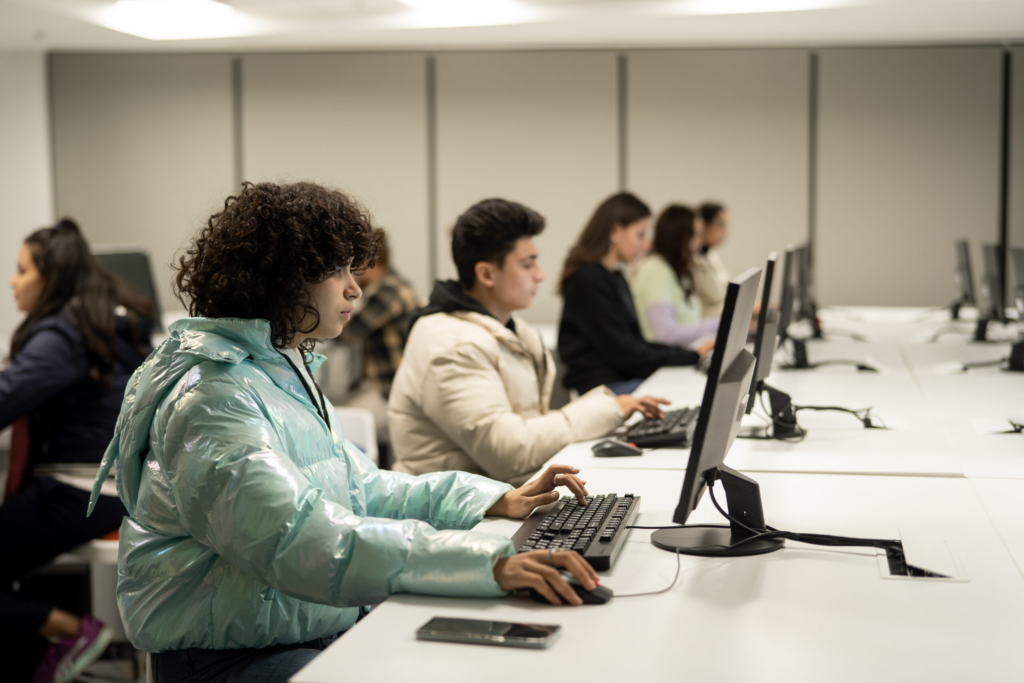
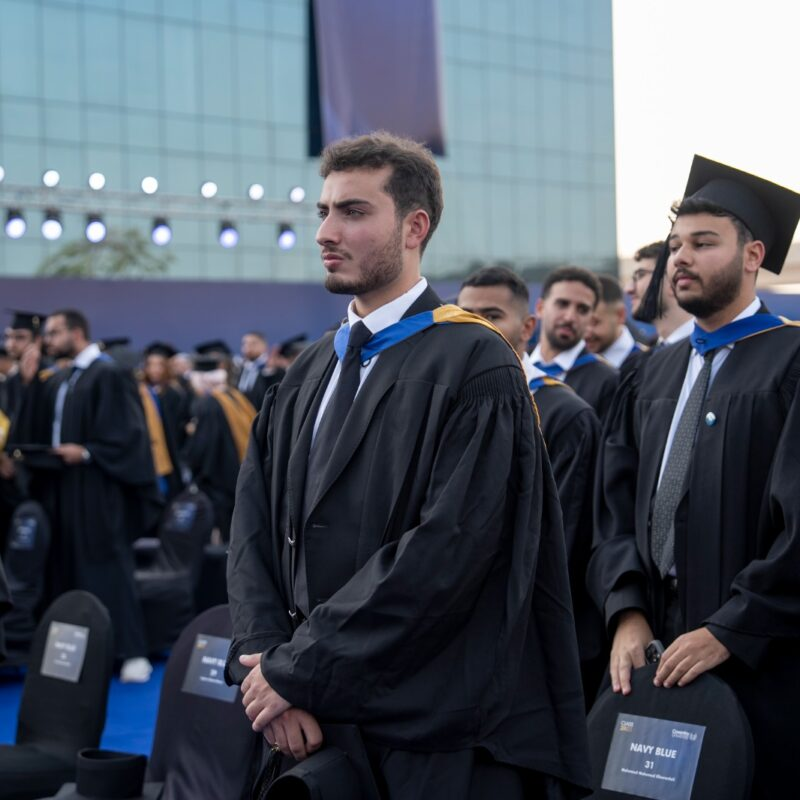

Computer labs Computer labs Computer labs Computer labs Computer labs Computer labs Computer labs Computer labs Computer labs Computer labs Computer labs Computer labs Computer labs Computer labs Computer labs Computer labs Computer labs Computer labs Computer labs Computer labs Computer labs
Field Trips & Internships Field Trips & Internships Field Trips & Internships Field Trips & Internships Field Trips & Internships Field Trips & Internships Field Trips & Internships Field Trips & Internships Field Trips & Internships Field Trips & Internships Field Trips & Internships Field Trips & Internships Field Trips & Internships Field Trips & Internships Field Trips & Internships Field Trips & Internships Field Trips & Internships Field Trips & Internships
AI research center AI research center AI research center AI research center AI research center AI research center AI research center AI research center AI research centerAI research center AI research center AI research center AI research center AI research center AI research center AI research center AI research center AI research center AI research center AI research center AI research center AI research center AI research center AI research center AI research center AI research center AI research center AI research center AI research center AI research center AI research center AI research center AI research center AI research center AI research center AI research center AI research center AI research center AI research center AI research center AI research center AI research center AI research center AI research center AI research center
Innovation hub Innovation hub Innovation hub Innovation hub Innovation hub Innovation hub Innovation hub Innovation hub
Innovation hub Innovation hub Innovation hub Innovation hub Innovation hub Innovation hub Innovation hub Innovation hub
Innovation hub Innovation hub Innovation hub Innovation hub Innovation hub Innovation hub Innovation hub Innovation hub
Innovation hub Innovation hub Innovation hub Innovation hub Innovation hub Innovation hub Innovation hub Innovation hub
Instructors
Supervisor
Supervisor
School of Computing
Supervisor
Supervisor
School of Computing
Supervisor
School of Computing
Stay Updated
Join us for an Open Day! Discover opportunities and meet our campus. Explore your future with us!