Analogue and Digital Electronics
Develop your capability to produce designs in the technology area of analogue and digital electronics.

Overview and Rankings
Combining academic knowledge with practical experience to prepare graduates for a wide range of electrical and electronic engineering careers.
BEng (Hons) Electrical and Electronic Engineering is delivered by the School of Engineering at the Coventry University Branch at TKH, in the New Administrative Capital.
The course develops the mathematical, scientific and engineering knowledge needed to design, analyse and implement electrical and electronic systems, using an Activity-Led Learning approach built around real-life problems and projects, many commissioned by industry partners.
It covers core disciplines including analogue and digital electronics, control systems, electrical engineering, digital signal processing, embedded systems, and power and renewable energy, preparing graduates for the technology, energy, transport and automation sectors.
Study Themes
You will master the following topics during your study at this programme journey.
Our successful Electrical and Electronic Engineering graduates will be confident, technically rigorous engineers, equipped to apply mathematics, science and engineering principles to the design and analysis of complex electrical and electronic systems.
They will demonstrate strong analytical and design capability across analogue and digital electronics, control systems, and electrical engineering, alongside specialist strength in digital signal processing, embedded systems, and power and renewable energy, all developed through Activity-Led Learning on real industry-informed projects.
Graduates will show a holistic understanding of engineering practice — balancing societal, ethical, environmental and business considerations — and will demonstrate the individual, collaborative and professional skills, including project management, communication, and critical reflection, needed to contribute effectively as engineers from day one.
Career Paths
Explore the opportunities and possibilities that can follow your degree.
Electrical and Electronic Engineering graduates are prepared for a wide span of technology-driven industries rather than one fixed role, moving into fields where power, electronics and control systems intersect with emerging technology.
The course’s grounding in circuit design, embedded systems, signal processing and renewable energy opens routes across engineering sectors both in Egypt and internationally through the Coventry connection, with graduates typically progressing toward senior and chartered engineering roles, or research routes including postgraduate study.
Journey
What do you want to learn to achieve the career paths mentioned
Please Note: We regularly review our course content to make it relevant and current for the benefit of our students. For these reasons, course modules may be updated.
What is credit/national hour?
A credit/notional hour is the formal name for the estimated hours that are expected that a student would need to complete a module
How many hours is 1 credit?
1 credit is equal to 10 notional hours, so 20 credits are equal to 200 notional hours, The 200 hours includes time in lectures, tutorials, preparing for your lectures, assessments as well as your own personal revision and studying that you would do
Can study hours exceed the estimate?
In reality, you might actually go above and beyond the expected notional hours, in particular if your degree requires a lot of independent learning you would most likely exceed the predicted hours
How many credits are in a UK semester?
In the UK system each semester is 60 credits worth which is equivalent to at least 600 hours of study in one term. This is approximately equivalent to 8 hours of study a day
Instructors
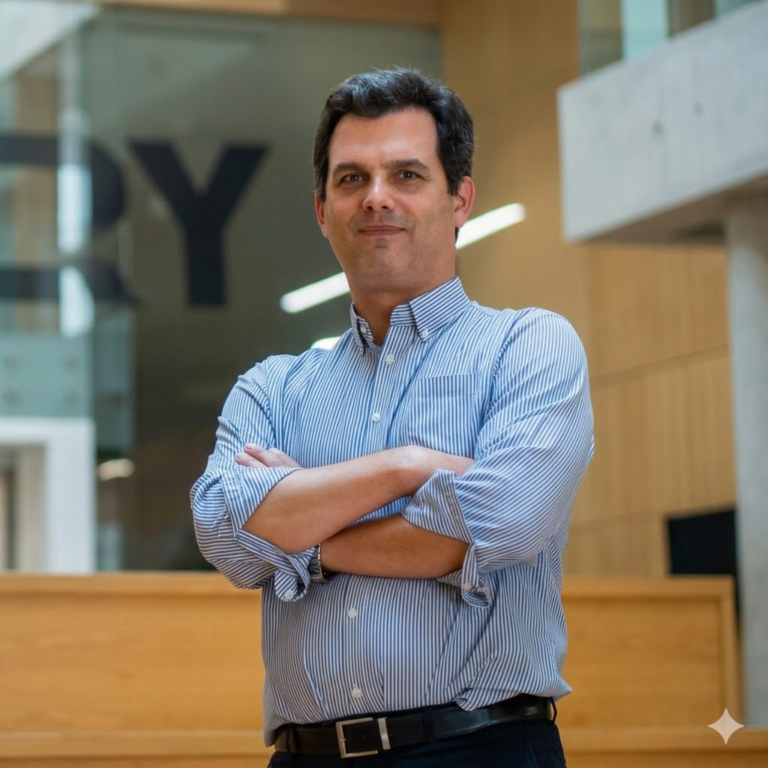
Supervisor
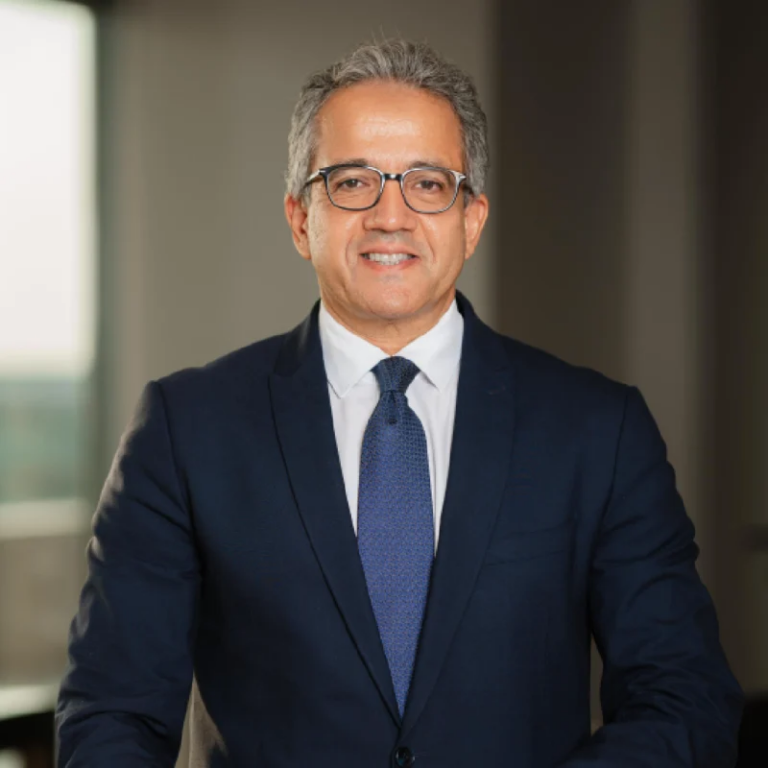
Supervisor
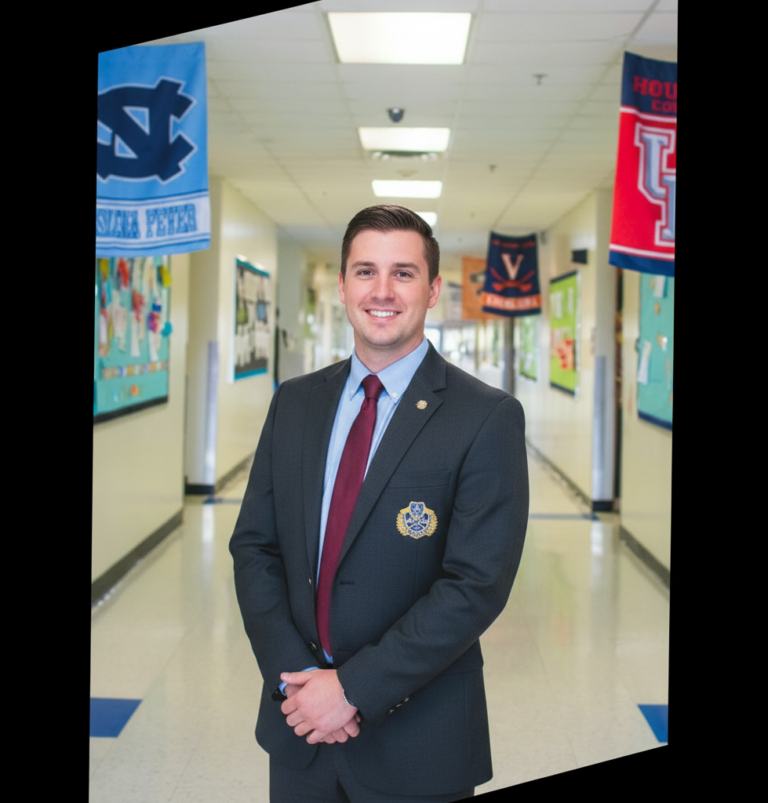
Supervisor
Supervisor
School of Engineering
Supervisor
School of Engineering
Impact
Robotics Engineer, b»robotized, Karlsruhe, Germany
Receiving a 100% academic scholarship from TKH gave me the opportunity to pursue my passion for robotics. Through hands-on projects and the TKH Robotics Club, I gained the confidence to build a career as a Robotics Engineer at b»robotized in Germany.
Reliability Engineer Supervisor - Maintenance, PepsiCo
Coventry University / TKH shaped me into an industry-ready engineer through hands-on learning, multidisciplinary projects, and industry collaboration. I graduated with First Class Honours, ranked 1st in my thesis and 3rd overall, and gained experience across leading global companies. Today, I work as a Reliability Engineer Supervisor at PepsiCo.
Operations Manager, Amazon, Egypt
Coventry University’s project-based learning and extracurricular activities helped me build analytical skills, leadership, stakeholder management, and professional readiness. These experiences played a key role in my career growth at Amazon, where I became an Operations Manager within 10 months
Geotechnical Design Engineer, Menard Middle East and Central Asia
Coventry University helped me move beyond theory and develop adaptability, accountability, resilience, and confidence in my decisions. The experience shaped my mindset, discipline, and confidence, preparing me to embrace real-world engineering challenges.
Project Engineer, Siemens energy, Egypt
My Electrical Engineering studies built my knowledge in power systems and strengthened my problem-solving and communication skills. My IoT-based graduation project gained recognition during my Siemens Energy internship and became a key milestone in my journey as a Project Engineer.
Cementing Operations Engineer, Halliburton
My Civil Engineering studies developed my analytical approach, discipline, and resilience, preparing me to take on demanding engineering challenges. My graduation project on sustainable concrete practices also strengthened my understanding of materials and performance. These skills continue to support my work as a Field Engineer at Halliburton.
Assistant Lecturer, Coventry University, The Knowledge Hub Universities, Egypt
Coventry University at The Knowledge Hub provided a strong academic foundation and practical, industry-oriented learning. My journey across real estate, investment, and engineering consultancy shaped my professional growth. Today, I serve as an Assistant Lecturer, contributing to the development of future engineers.
Project Coordinator & Energy Analyst Engineer, Nexus Analytica, Egypt
I chose Coventry University for its strong emphasis on practical, industry-oriented engineering education. The experience shaped my technical expertise, leadership skills, and professional mindset. Today, I work as a Project Coordinator Engineer at Nexus Analytica, contributing to large-scale energy projects and AI-powered solutions.
PDQC at webkeyz
During my final year at TKH, the career services team helped me refine my CV, prepare for technical interviews, and connect with industry mentors. Through their guidance, I secured multiple interviews and landed my role shortly after graduation.
Software Engineer at Vodafone, Egypt
During my final year at TKH, the career services team helped me refine my CV, prepare for technical interviews, and connect with industry mentors. Through their guidance, I secured multiple interviews and landed my role shortly after graduation.
Software Engineer at Vodafone, Egypt
During my final year at TKH, the career services team helped me refine my CV, prepare for technical interviews, and connect with industry mentors. Through their guidance, I secured multiple interviews and landed my role shortly after graduation.
Software Engineer at Vodafone, Egypt
During my final year at TKH, the career services team helped me refine my CV, prepare for technical interviews, and connect with industry mentors. Through their guidance, I secured multiple interviews and landed my role shortly after graduation.
Stay Updated
School of Engineering
School of Engineering
School of Engineering
School of Engineering