Human-Centred Design
Understand people, their behaviours and needs to design meaningful products that solve real problems.

Overview
Product Design at Coventry University at TKH prepares students to research, imagine, prototype and develop physical products for people and the world around them.
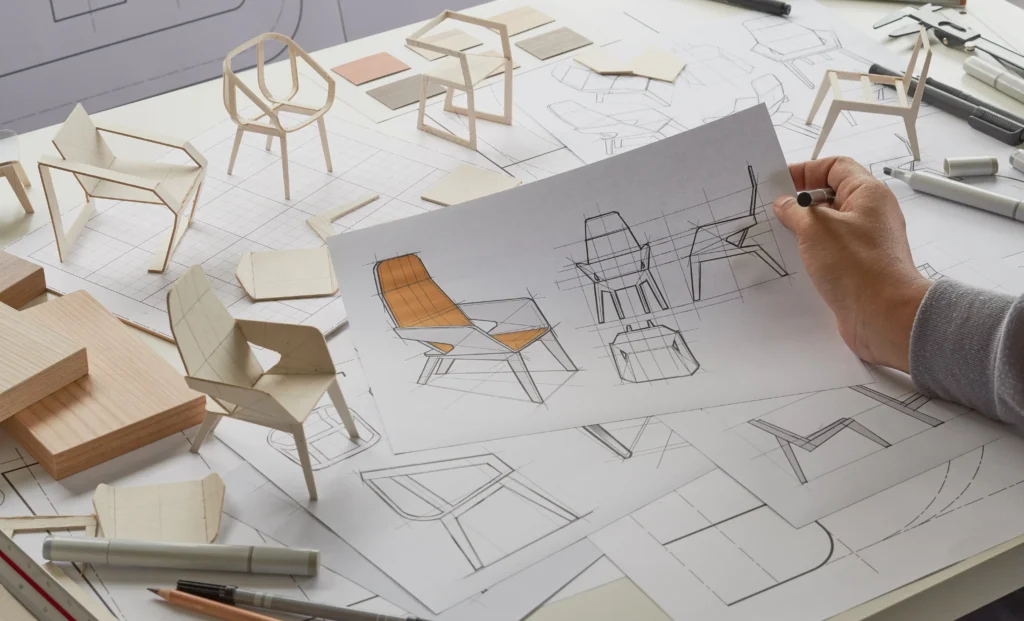
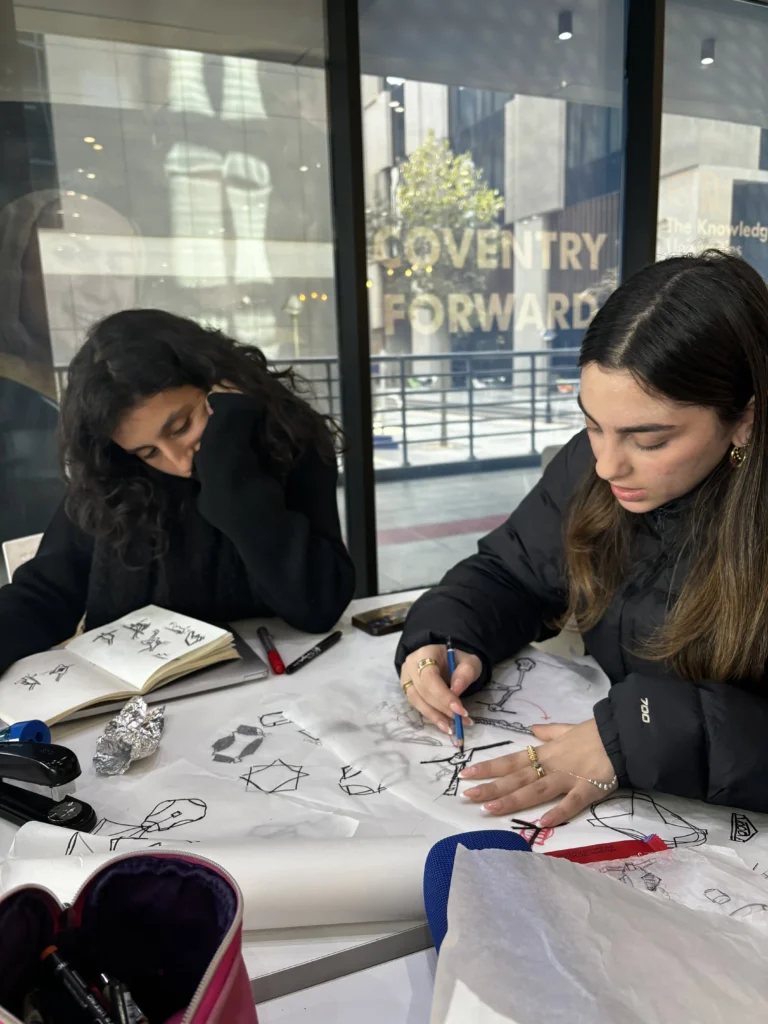
BA Product Design goes beyond how objects look, combining research, creativity, materials, technology, human experience and manufacturing to create innovative, meaningful and sustainable physical products. Students learn to understand design challenges, identify opportunities and develop solutions through research, sketching, modelling, prototyping and testing. Exploring fields such as furniture, lighting, toys, consumer products, electronics and future-focused design, students master a transferable design process rather than specialising in one category. Through hands-on experimentation, they develop the skills and adaptability to tackle challenges across industries and design beyond established categories, graduating with a portfolio showcasing their creative thinking
and practical capabilities.
Study Themes
Master the knowledge, methods and tools that shape successful product design.
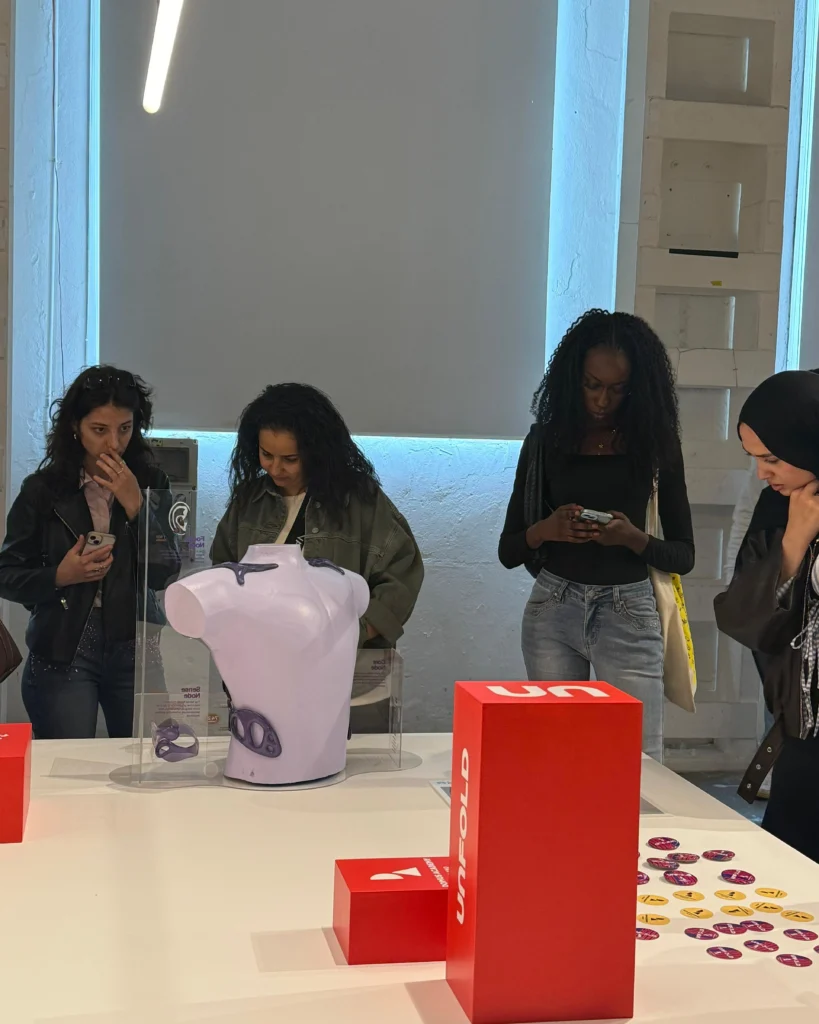
Students learn to approach product design from multiple perspectives, understanding the people, markets, contexts and future trends that shape products. They develop the ability to identify opportunities, balance user needs with commercial and technical requirements, and translate insights into viable design solutions.
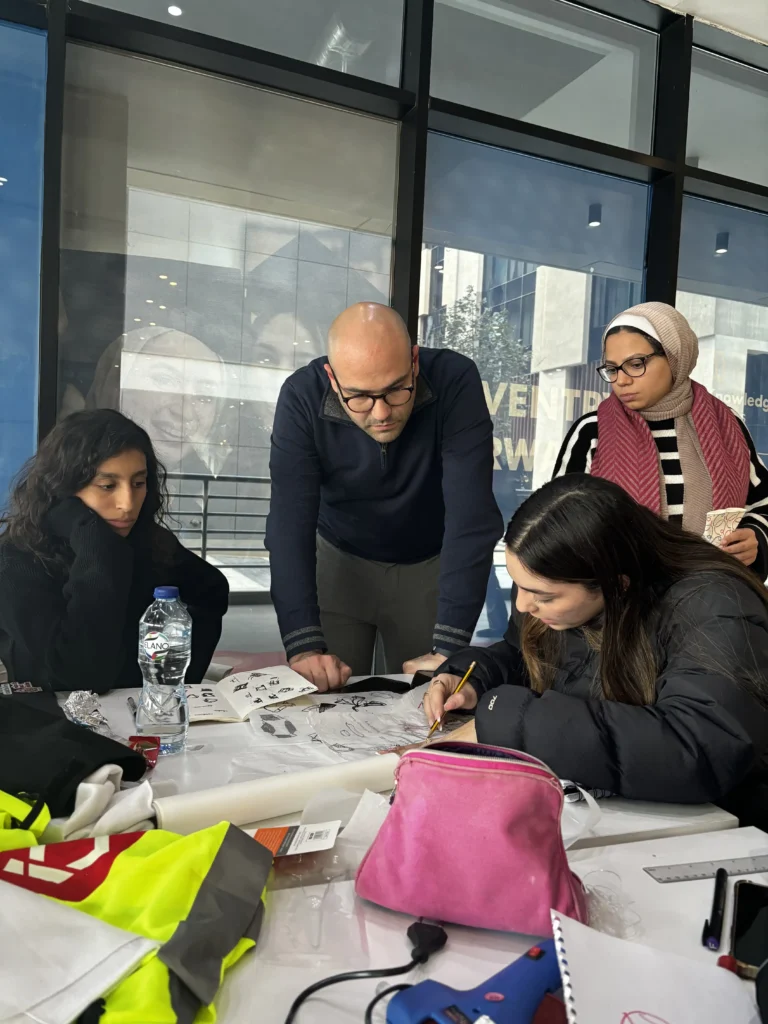
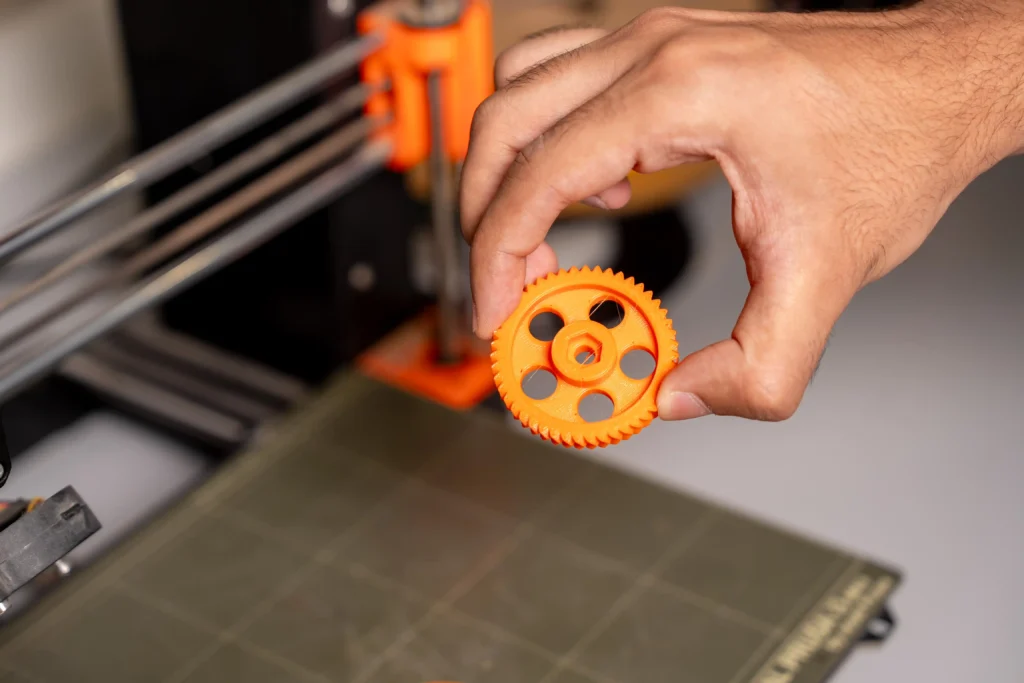
Through research, experimentation and hands-on making, students explore the entire product development process, from identifying a need to realising a manufacturable product.



Career Paths
Become a product-based entrepreneur or a product designer in the industry of your choice.
Product Design graduates are equipped to pursue diverse career opportunities across industries, from furniture and consumer products to electronics and emerging technologies.
With a strong foundation in research, creative problem-solving, prototyping and manufacturing, graduates can work as designers within companies and multidisciplinary teams or establish their own design practices, product brands and entrepreneurial ventures.
Journey
What do you want to learn to achieve the career paths mentioned
Please Note: We regularly review our course content to make it relevant and current for the benefit of our students. For these reasons, course modules may be updated.
What is credit/national hour?
A credit/notional hour is the formal name for the estimated hours that are expected that a student would need to complete a module
How many hours is 1 credit?
1 credit is equal to 10 notional hours, so 20 credits are equal to 200 notional hours, The 200 hours includes time in lectures, tutorials, preparing for your lectures, assessments as well as your own personal revision and studying that you would do
Can study hours exceed the estimate?
In reality, you might actually go above and beyond the expected notional hours, in particular if your degree requires a lot of independent learning you would most likely exceed the predicted hours
How many credits are in a UK semester?
In the UK system each semester is 60 credits worth which is equivalent to at least 600 hours of study in one term. This is approximately equivalent to 8 hours of study a day
Facilities
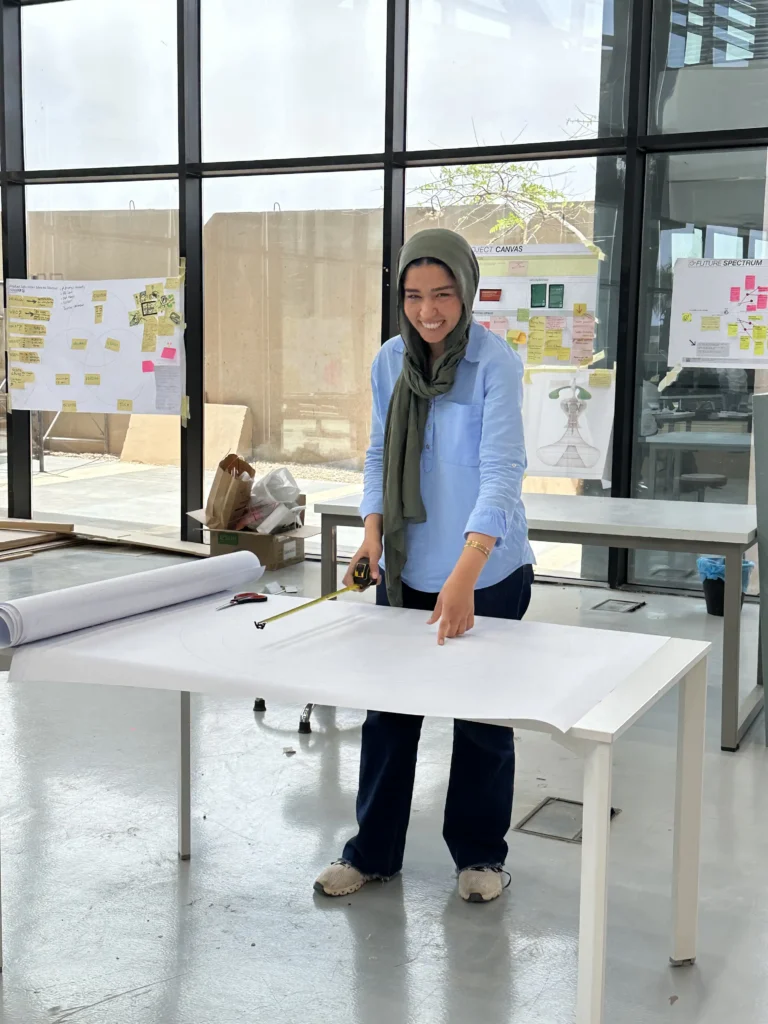
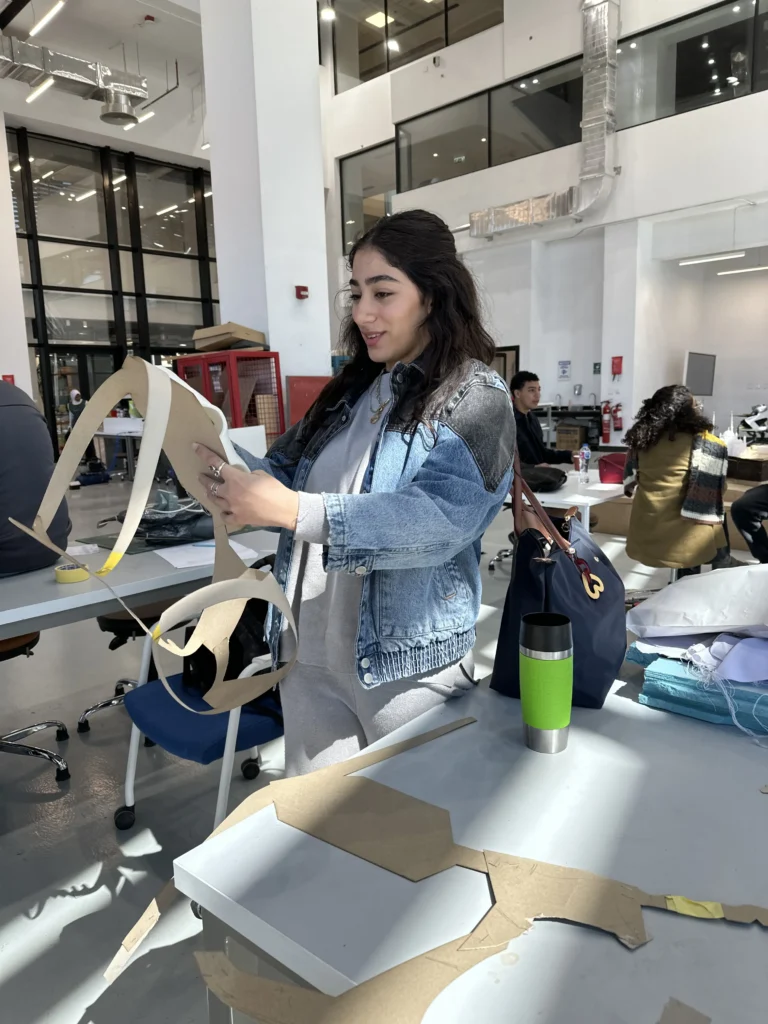
Discover the specialist facilities at TKH that support hands-on learning, creative experimentation and product development, from design workshops and fabrication labs to spaces equipped for prototyping and making ideas a reality.
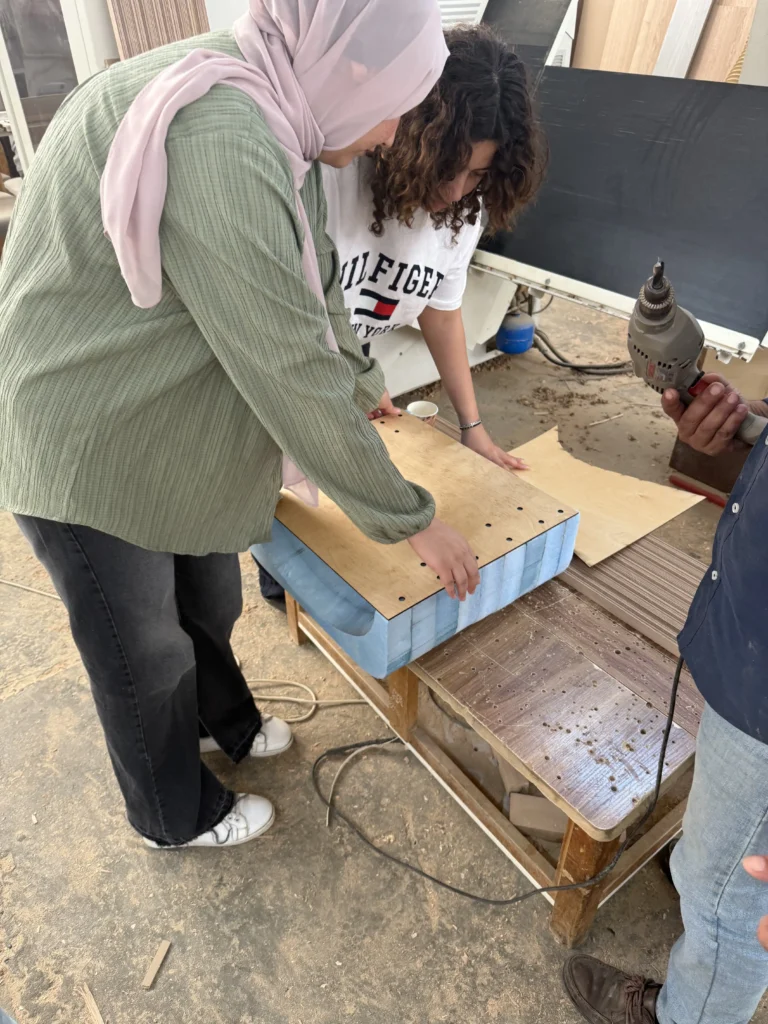
Furniture Lab connects students with furniture industry professionals, providing hands-on experience in developing and
manufacturing furniture beyond the prototyping stage.
Furniture Lab Vol. 01 × Pinocchio, AnotherDesignLab & DesignDustry
Students developed furniture concepts through an industry-led design process, culminating in the production of finished furniture pieces at the Pinocchio factory.
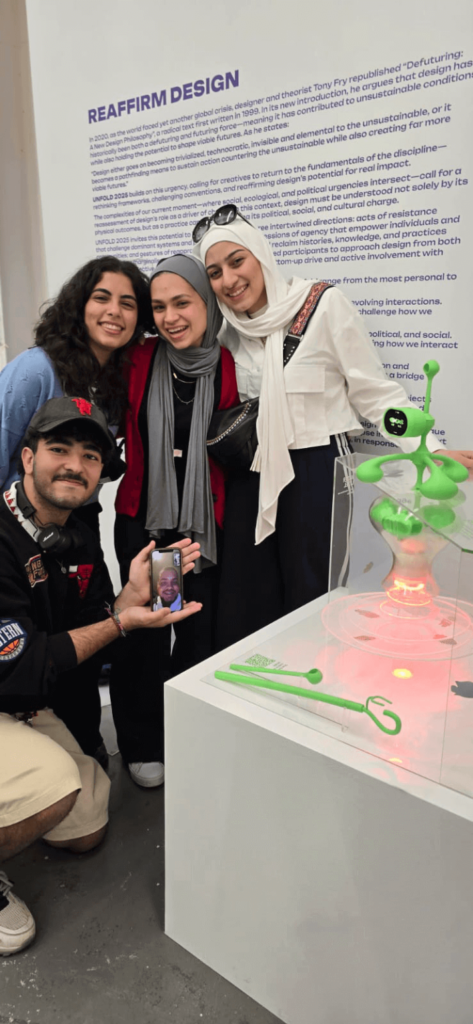
Product Lab connects students with consumer electronics industry partners through intensive, real-world design challenges, bridging academic learning and professional practice.
Product Lab Vol. 01 x Progressio Solutions
Explored the electric vehicle ecosystem, developing physical product solutions addressing emerging needs in electric
mobility.
Product Lab Vol. 02 x Solace Technologies
Focused on home automation, redesigning and developing the physical form, functionality and user experience of
smart home products.
Academics
Head of School of Design & Media
School of Design & Media
Product Design Course Director
School of Design & Media
Film Production Course Director
School of Design & Media
Digital Media Course Director
School of Design & Media
Graphic Design Course Director
School of Design & Media
International Fashion Business Course Director
School of Design & Media
Impact
98% of our graduates are employed within 6 months of graduation.
Video Editor & VFX Artist, MO4 Network , Part-time Assistant Lecturer, Coventry University at The Knowledge Hub
I chose the Digital Media pathway at TKH for its unique range of curriculum, from game and web development to 3D art and media production. This diversity distinguished me in the market and helped me grow as an interdisciplinary creative. Today, I work as a Video Editor and VFX Artist at MO4 Network, working on major regional events and projects for leading brands.
Stay Updated
School of Design & Media
School of Design & Media
School of Design & Media