Visualising and prototyping
Explore a range of hands-on and digital tools and techniques with access to our extensive workshop facilities.

Overview and Rankings
Combining academic knowledge with practical experience to prepare graduates for a wide range of product design careers.
The BA (Hons) Product Design takes a user-centred approach to designing innovative, sustainable and forward-thinking products for volume production — spanning categories from furniture and healthcare products to toys and consumer electronics.
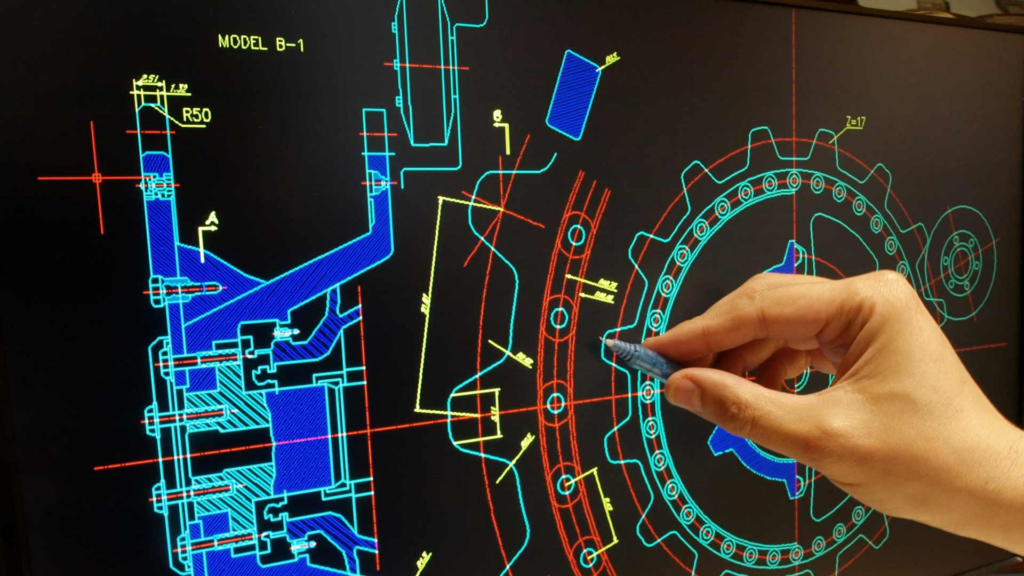
The course prepares students for the broadest possible practice as product designers by embracing the transferable skills valued across the wider creative industries, engaging directly with how products are manufactured, distributed, used and recovered. Design studios and hands-on 3D prototyping sit at the centre of the training, giving students a means to test ideas, evaluate user and environmental suitability, and communicate finished design proposals — preparing them to enter professional design environments with a portfolio of industry-level work.
Study Themes
You will master the following topics during your study at this program journey.
Our successful graduates will be confident, user-focused designers who can demonstrate a range of individual, collaborative and professional skills and attributes.
Product Design students develop expertise across visualising and prototyping, design for manufacture, and human-centred design, learning to balance aesthetic, functional and commercial considerations while grounding every design decision in genuine user insight.
Graduates will exhibit an awareness of sustainability and ethical manufacture, the flexibility to adapt across a range of employment futures, and the confidence to take a concept from research through to a manufacturable, user-ready product.
Career Paths
Explore the opportunities and possibilities that can follow your degree.
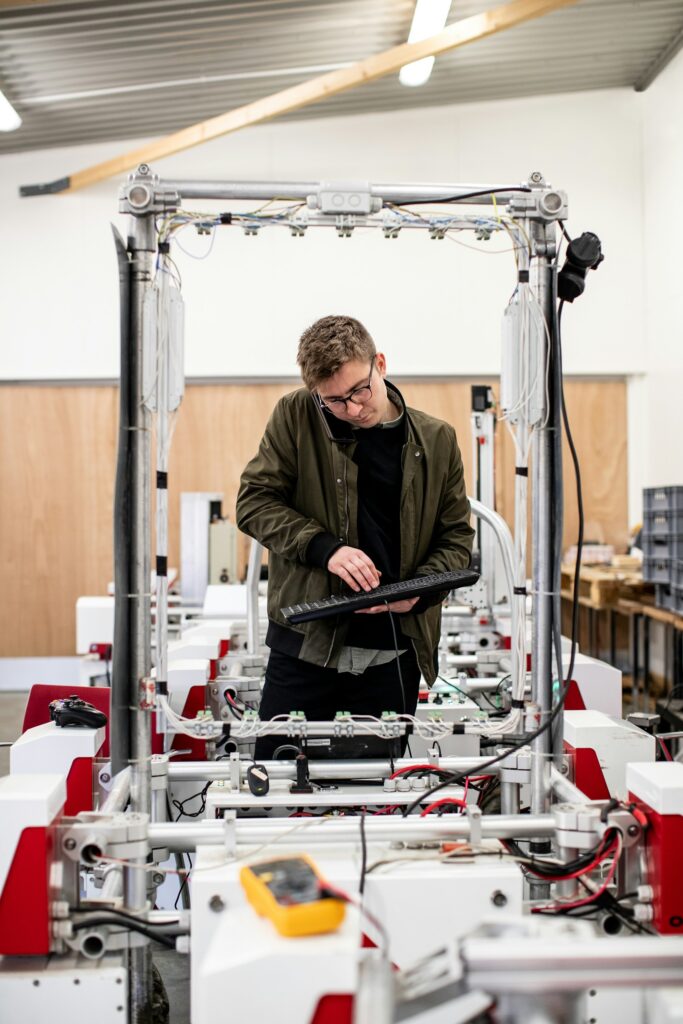
This degree prepares graduates for a range of roles across the creative industries, going well beyond product design itself.
Graduates leave with the research, prototyping, visualisation and communication skills to contribute to the full product development lifecycle — from early-stage user research through to manufacture-ready design — positioning them for both specialist design roles and broader creative and managerial career paths.
Journey
What do you want to learn to achieve the career paths mentioned
Please Note: We regularly review our course content to make it relevant and current for the benefit of our students. For these reasons, course modules may be updated.
What is credit/national hour?
A credit/notional hour is the formal name for the estimated hours that are expected that a student would need to complete a module
How many hours is 1 credit?
1 credit is equal to 10 notional hours, so 20 credits are equal to 200 notional hours, The 200 hours includes time in lectures, tutorials, preparing for your lectures, assessments as well as your own personal revision and studying that you would do
Can study hours exceed the estimate?
In reality, you might actually go above and beyond the expected notional hours, in particular if your degree requires a lot of independent learning you would most likely exceed the predicted hours
How many credits are in a UK semester?
In the UK system each semester is 60 credits worth which is equivalent to at least 600 hours of study in one term. This is approximately equivalent to 8 hours of study a day
Facilities
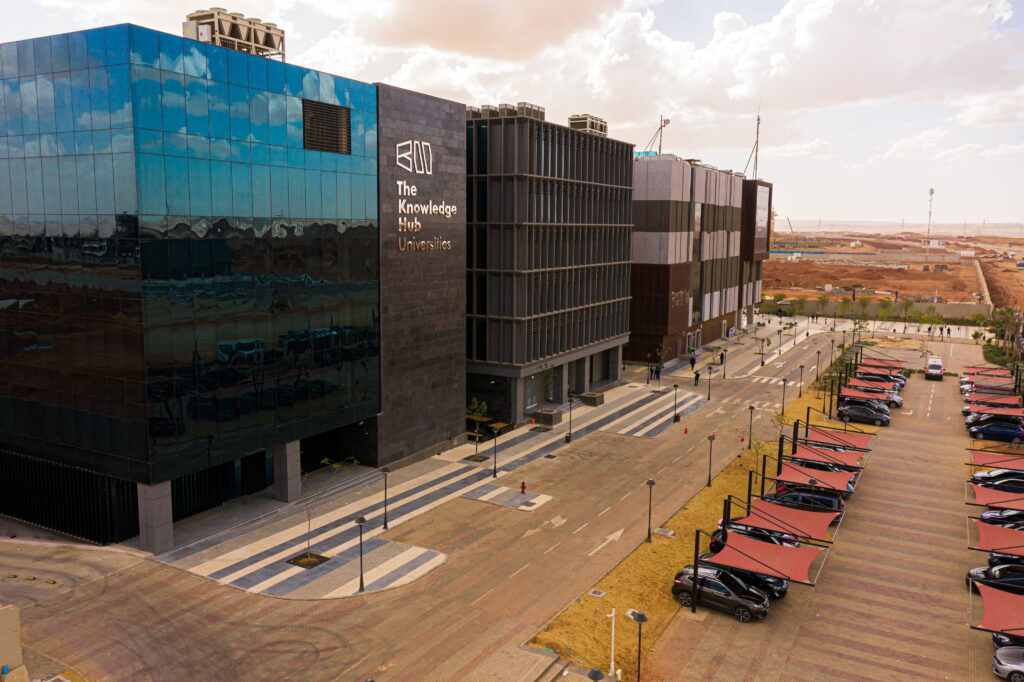
Check our campus facilities and services. Flip through different categories images to explore.
In our ever-changing world, mechanical engineers develop new and differing uses for technologies and materials, in order to improve the mechanical operation of equipment and devices used in anything from food and oil production to international construction projects or the design of toys.
You will have the opportunity to participate in field trips and internships in major engineering companies locally in Egypt and in international companies.
You will have access to modern facilities such as the Manufacturing & Materials Centre, the Civil Engineering & Structures lab, the Hydraulics lab, the Thermofluid lab, the Automation & Control Systems lab, Engineering Lab Building, the Fablab, the Electrical Engineering lab, and the Electronics Engineering lab among many other labs.
Stay Updated

School of Design & Media
School of Design & Media
School of Design & Media
School of Design & Media