Computational Thinking
Learn how to analyse complex problems, develop algorithmic solutions and evaluate the efficiency and limitations of different approaches to computation.

Overview
Build the technical knowledge, practical skills and problem-solving abilities needed to develop software and explore emerging areas of computer science.
The BSc Computer Science programme combines the theoretical foundations of computing with practical experience in programming, software development, data science, artificial intelligence, machine learning, security and computer systems. You will learn how to analyse problems, design and develop computational solutions, work with data and understand the technologies that underpin modern computing. Through individual and group projects, you will also develop professional skills such as teamwork, communication, critical reflection and the use of industry practices, preparing you for a wide range of careers in the computing sector or further study.

Study Themes
Develop the knowledge and practical skills to understand, design and build solutions across a broad range of computer science disciplines.
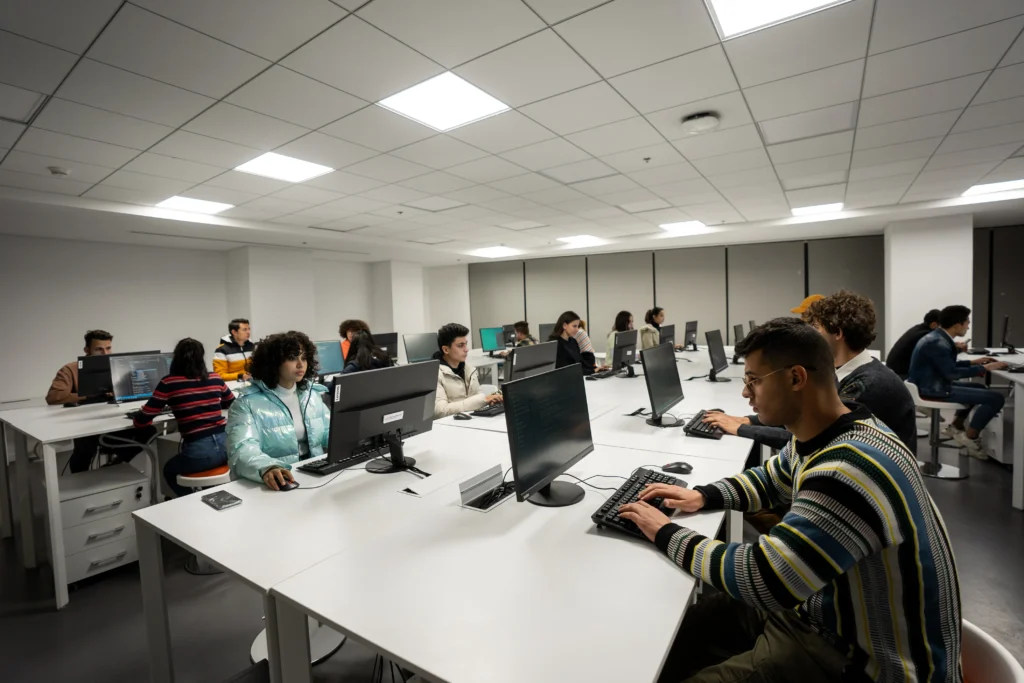
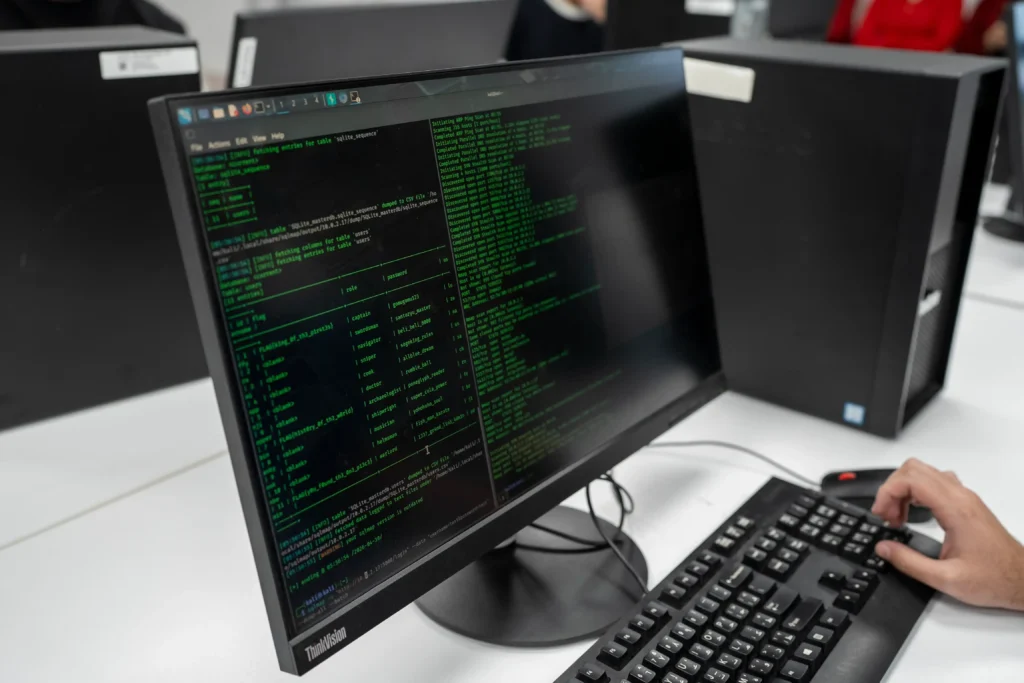
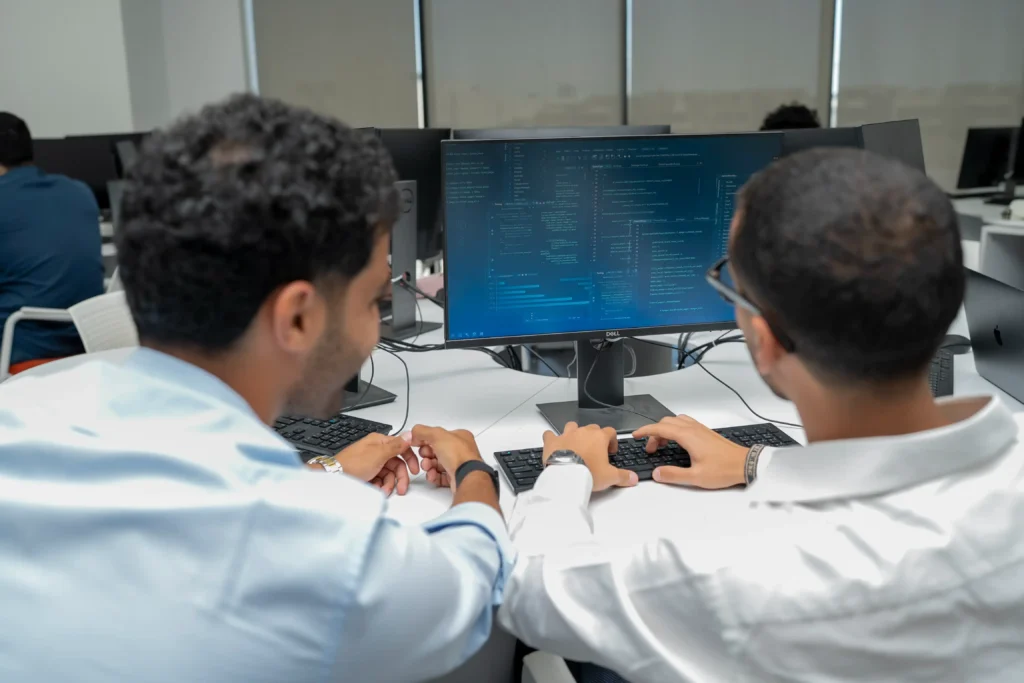
Throughout the programme, you will progress from fundamental concepts and programming techniques to advanced areas such as artificial intelligence, machine learning, security and software engineering. You will also learn how to apply your knowledge through projects, using professional development practices and working both independently and as part of a team.
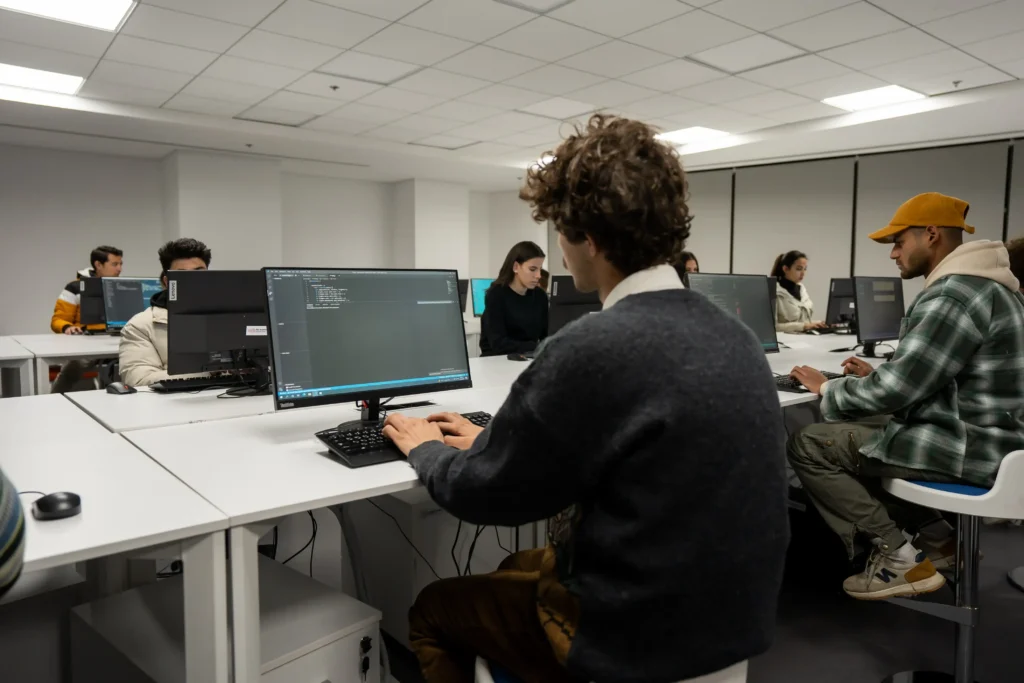

Career Paths
Explore the range of computing roles and specialist areas that your knowledge and skills can support.
A Computer Science degree can open pathways across software development, data, systems, security and other areas of the technology sector. Throughout the programme, you will develop technical and transferable skills that can be applied across established and emerging computing roles. You can also use your degree as a foundation for further postgraduate study or research.
Journey
What do you want to learn to achieve the career paths mentioned
Please Note: We regularly review our course content to make it relevant and current for the benefit of our students. For these reasons, course modules may be updated. Text Link
What is credit/national hour?
A credit/notional hour is the formal name for the estimated hours that are expected that a student would need to complete a module
How many hours is 1 credit?
1 credit is equal to 10 notional hours, so 20 credits are equal to 200 notional hours, The 200 hours includes time in lectures, tutorials, preparing for your lectures, assessments as well as your own personal revision and studying that you would do
Can study hours exceed the estimate?
In reality, you might actually go above and beyond the expected notional hours, in particular if your degree requires a lot of independent learning you would most likely exceed the predicted hours
How many credits are in a UK semester?
In the UK system each semester is 60 credits worth which is equivalent to at least 600 hours of study in one term. This is approximately equivalent to 8 hours of study a day
Instructors
Head of School of Computing
School of Computing
Computer Science & Software Engineering
School of Computing
Impact
Co-founder of Develo Systems
Coventry University gave me the foundation to grow as a Computer Science professional and think globally. The experience and opportunities I gained helped shape my confidence to pursue entrepreneurship. Today, I’m proud to have co-founded Develo Systems, building a growing team delivering AI and software solutions to clients worldwide.
AI & Data Engineer, Deloitte Innovation Hub, Egypt
I chose Coventry University for its practical, industry-focused approach. My experience led to an internship at Deloitte’s Innovation Hub and, eventually, a full-time role as an AI & Data Engineer. TKH gave me the foundation and opportunities to turn my studies into a career I love.
Stay Updated


School of Computing

School of Computing
School of Computing