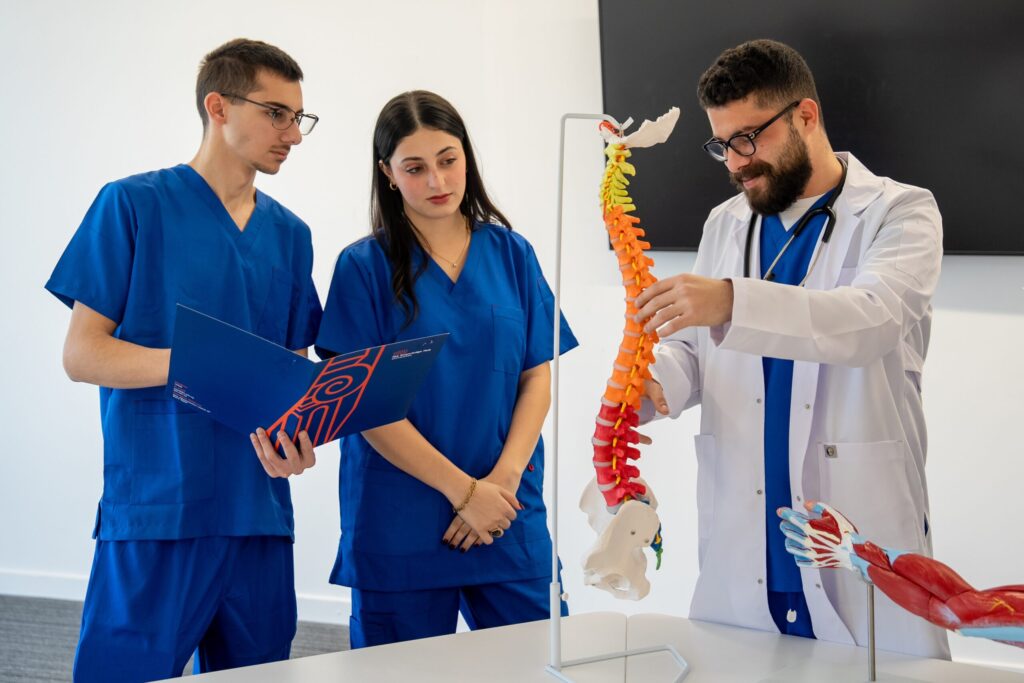
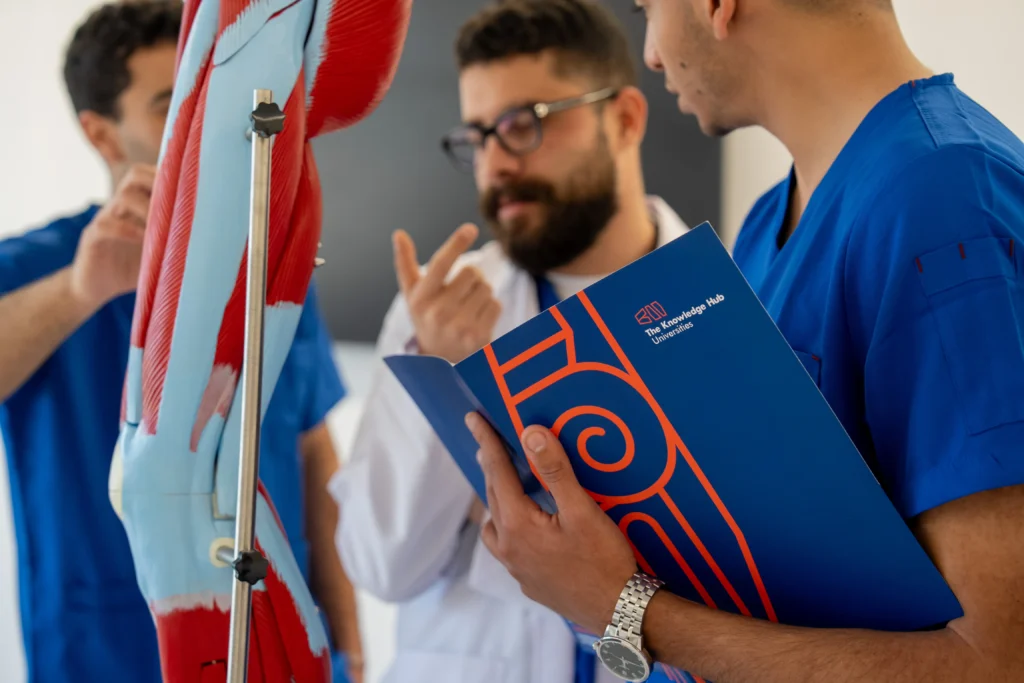
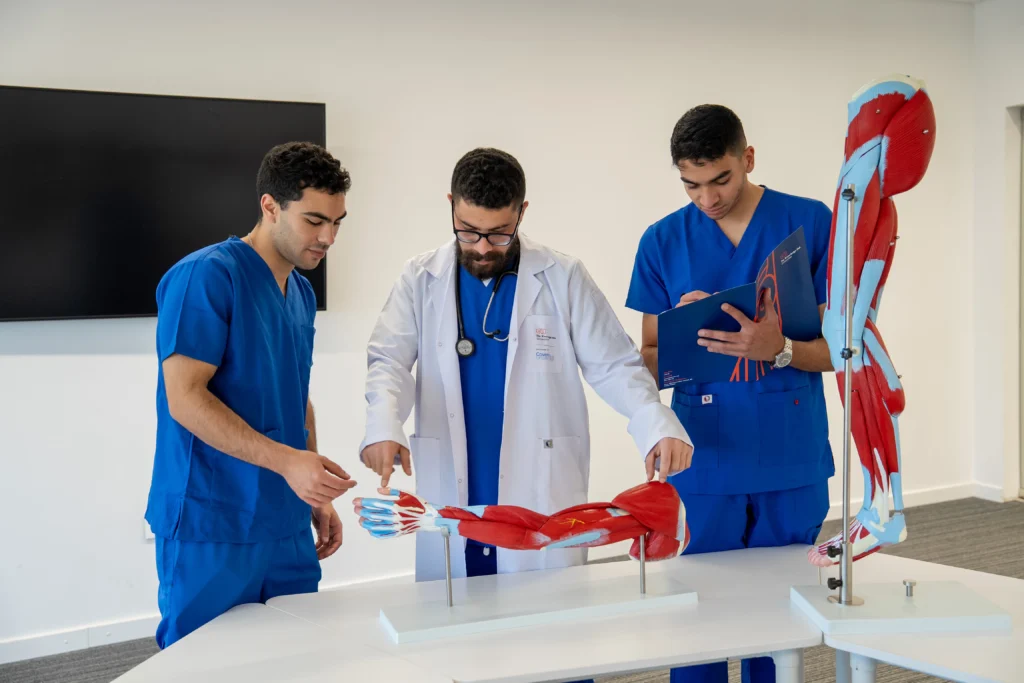
Human Anatomy and Movement Science
Study of body systems, biomechanics, and movement essential to physiotherapy practice.

Overview and Rankings
Combining academic knowledge with practical experience to prepare graduates for a wide range of physiotherapy careers.
Physiotherapy is a career built around helping people live their best life — maximising health, wellbeing and quality of life through movement, exercise, manual therapy and education. Coventry University’s BSc (Hons) Physiotherapy at The Knowledge Hub Universities delivers a comprehensive, practice-oriented education aligned with the UK’s Health and Care Professions Council (HCPC) standards and Egyptian Health Council guidelines. With a strong emphasis on evidence-based practice and patient-centred care, the degree combines theoretical grounding with hands-on clinical skill-building across hospitals, private clinics, sports rehabilitation and community health settings — supported throughout by state-of-the-art facilities and immersive simulation.

Study Themes
You will master the following topics during your study at this program journey.
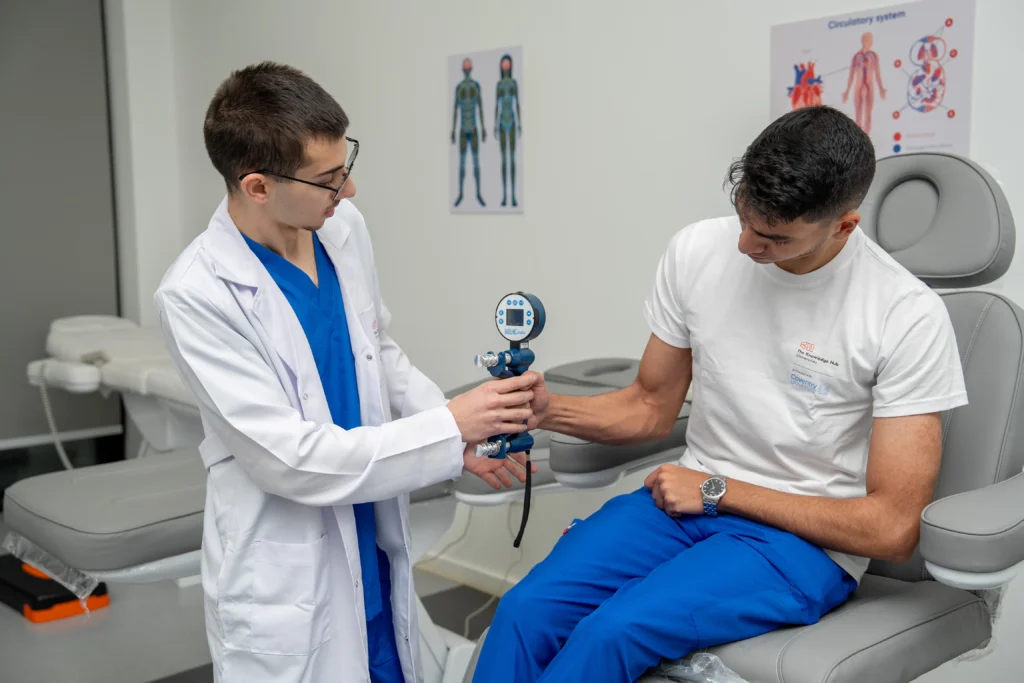
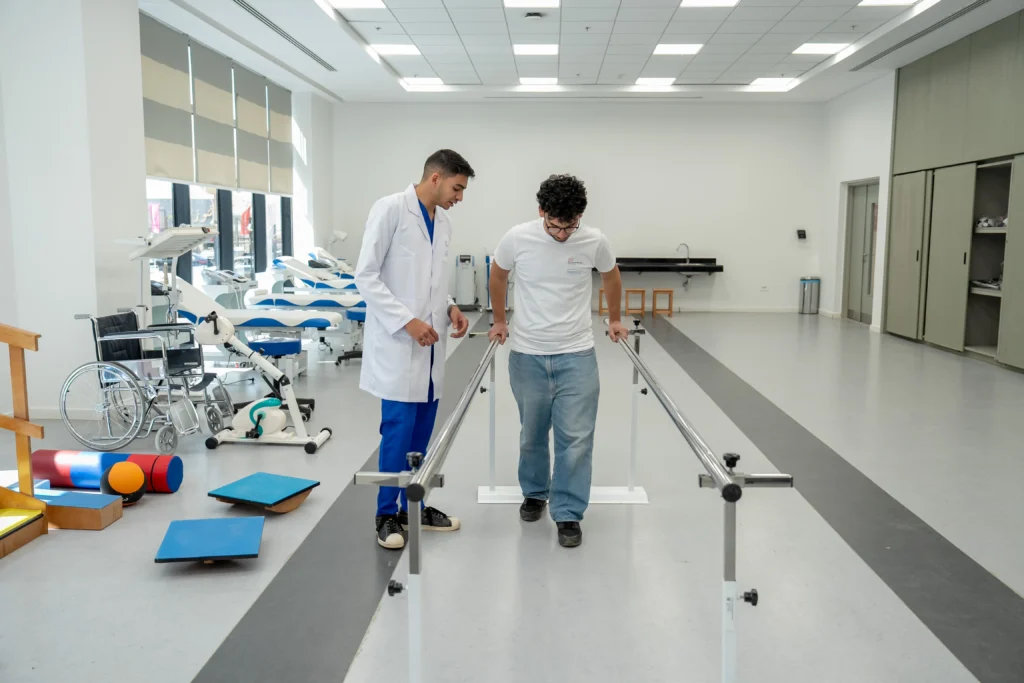
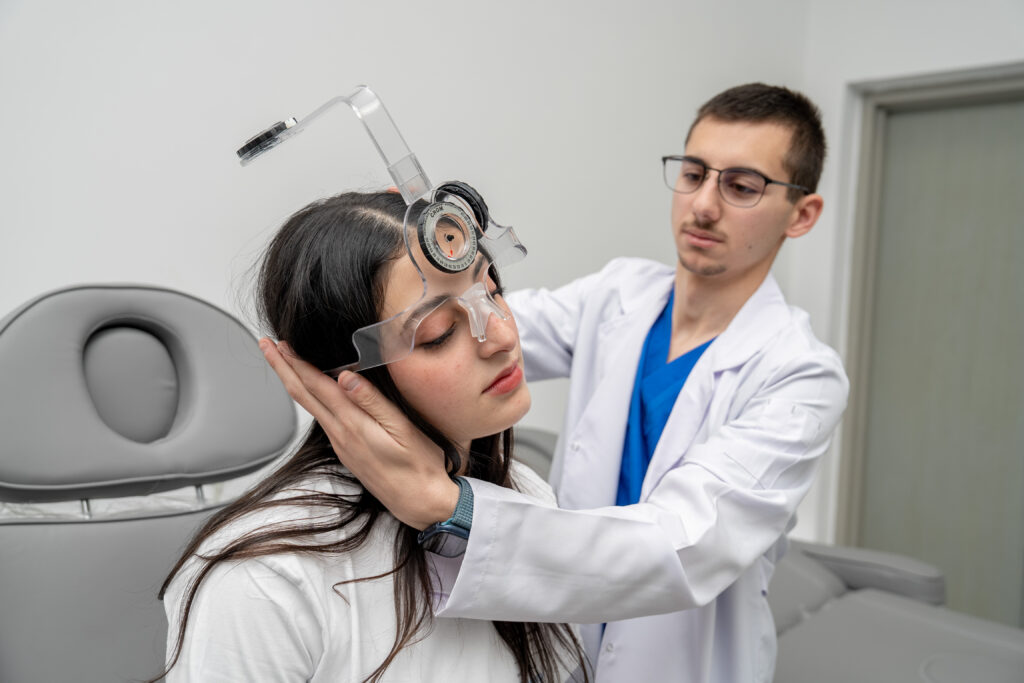
The course builds physiotherapy expertise across six interconnected strands. Students begin with human anatomy and movement science — body systems, biomechanics and the movement principles underpinning practice — before progressing into clinical physiotherapy practice across the three core specialties: musculoskeletal, neurological and cardiorespiratory. Patient assessment and treatment planning develops clinical reasoning, diagnostic skill and personalised rehabilitation design, while evidence-based practice and research trains students to apply scientific research to real clinical decisions, culminating in a small-scale research project. Professional development covers the ethics, legal frameworks and communication skills essential to healthcare settings, and throughout the degree, practical skills and clinical experience are built through simulation labs and five supervised placements in diverse clinical environments — ensuring graduates leave not just academically prepared, but practice-ready.
The Internship Year in physiotherapy at The Knowledge Hub Universities is offered to all BSc Physiotherapy graduates, enabling them to meet the requirements of the Egyptian healthcare system. This year provides comprehensive clinical training across a wide range of specialties, including musculoskeletal (MSK) physiotherapy, women’s health, surgical and internal medicine rehabilitation, cardiovascular care, neurology, and paediatrics.
This diverse clinical exposure equips interns with the practical skills and interdisciplinary insight essential for delivering holistic, patient-centred physiotherapy care.
Career Paths
Explore the opportunities and possibilities that can follow your degree.
Physiotherapy graduates step into one of healthcare’s most versatile professions, with the scope to work across public and private practice, sport, specialist education and leadership. The degree’s embedded placement structure and post-graduate Internship Year — spanning MSK, women’s health, surgical rehabilitation, cardiovascular care, neurology and paediatrics — mean graduates enter the workforce with breadth few undergraduate programmes offer, ready to specialise in the area that suits them best.
Journey
What do you want to learn to achieve the career paths mentioned
Please Note: We regularly review our course content to make it relevant and current for the benefit of our students. For these reasons, course modules may be updated.
What is credit/national hour?
A credit/notional hour is the formal name for the estimated hours that are expected that a student would need to complete a module
How many hours is 1 credit?
1 credit is equal to 10 notional hours, so 20 credits are equal to 200 notional hours, The 200 hours includes time in lectures, tutorials, preparing for your lectures, assessments as well as your own personal revision and studying that you would do
Can study hours exceed the estimate?
In reality, you might actually go above and beyond the expected notional hours, in particular if your degree requires a lot of independent learning you would most likely exceed the predicted hours
How many credits are in a UK semester?
In the UK system each semester is 60 credits worth which is equivalent to at least 600 hours of study in one term. This is approximately equivalent to 8 hours of study a day
Stay Updated