Environmental Systems & Sustainability
Identify and analyse pressures on environmental systems and explore ways to overcome them.

Overview and Rankings
The ultimate goal of Environmental Engineering is to provide solutions for economic and social activities aligned with the sustainable development
The Environmental Engineering Undergraduate Programme by NOVA School of Science and Technology has been a pioneer for over 40 years, combining basic engineering skills (mathematics and computing) with natural sciences (such as physics, chemistry, biology and ecology) and social sciences, integrating technological, ecological, economic, and social issues.
This undergraduate programme will help identify, implement, and manage innovative solutions for environmental sustainability. The focus is on holistic training and systemic thinking, analytical skills, innovation, and collaborative models. The goal of Environmental Engineering is to provide solutions for economic and social activities aligned with the sustainable development.
Study Themes
You will master the following topics during your study at this program journey.
You’ll develop a multidisciplinary understanding of environmental engineering, combining science, technology, engineering and data analysis to address complex environmental challenges.
You’ll learn how to manage natural resources, water and waste, improve energy efficiency, support renewable energy and climate action, and protect ecosystems and biodiversity.
The programme also explores sustainable cities and territories, environmental economics, circular economy practices, environmental monitoring, modelling, GIS and emerging technologies such as Artificial Intelligence, preparing you to develop practical and innovative solutions for a more sustainable future.

Career Paths
Explore the opportunities and possibilities that can follow your degree.
The interdisciplinary nature of the Bachelor’s Degree in Environmental Engineering offers its graduates a unique profile for working on multiple interfaces, particularly useful for dealing with complex systems, and for exploring job opportunities in a wide range of professional contexts.
The current high level and quality of employability of Environmental Engineering professionals, in the global market, will expand in view of the ecological transition that economies are starting to adopt. Professional opportunities in many fields include consulting, auditing or service and utilities companies, industry, public organizations such as municipalities or regional government, international organizations.
Accreditation & Recognition
A3ES (Portuguese Agency for Assessment and Accreditation of Higher Education) and all Engineering programmes are recognized by the Portuguese Order of Engineers, FEANI (Federation of Professional Engineers that unites national engineering associations from 33 European Higher Education Area (EHEA) countries) and EUR-ACE (European Accredited Engineer).
Journey
What do you want to learn to achieve the career paths mentioned
Please Note: We regularly review our course content to make it relevant and current for the benefit of our students. For these reasons, course modules may be updated. Text Link
Facilities
Check our campus facilities and services. Flip through different categories images to explore.
In our ever-changing world, mechanical engineers develop new and differing uses for technologies and materials, in order to improve the mechanical operation of equipment and devices used in anything from food and oil production to international construction projects or the design of toys.
You will have the opportunity to participate in field trips and internships in major engineering companies locally in Egypt and in international companies.
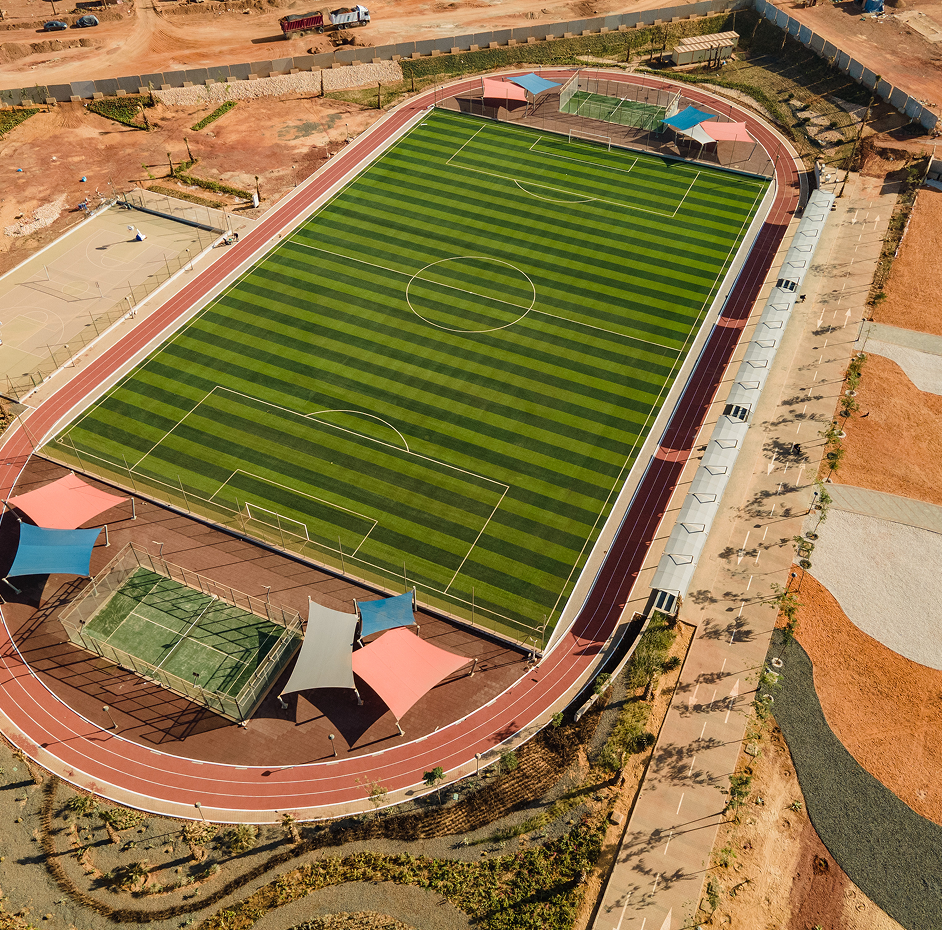
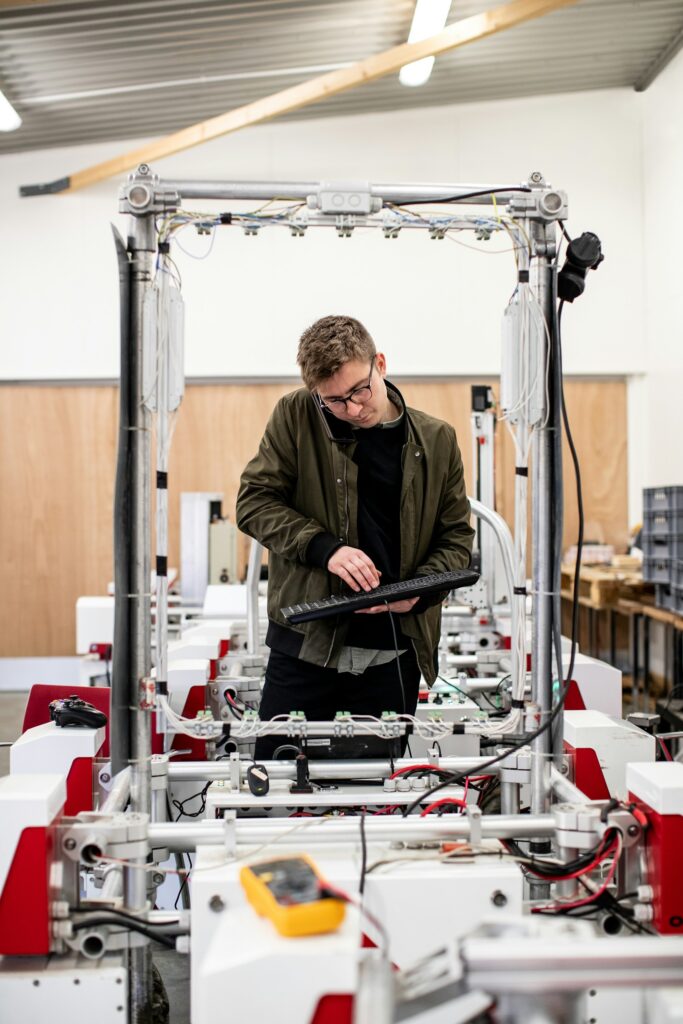
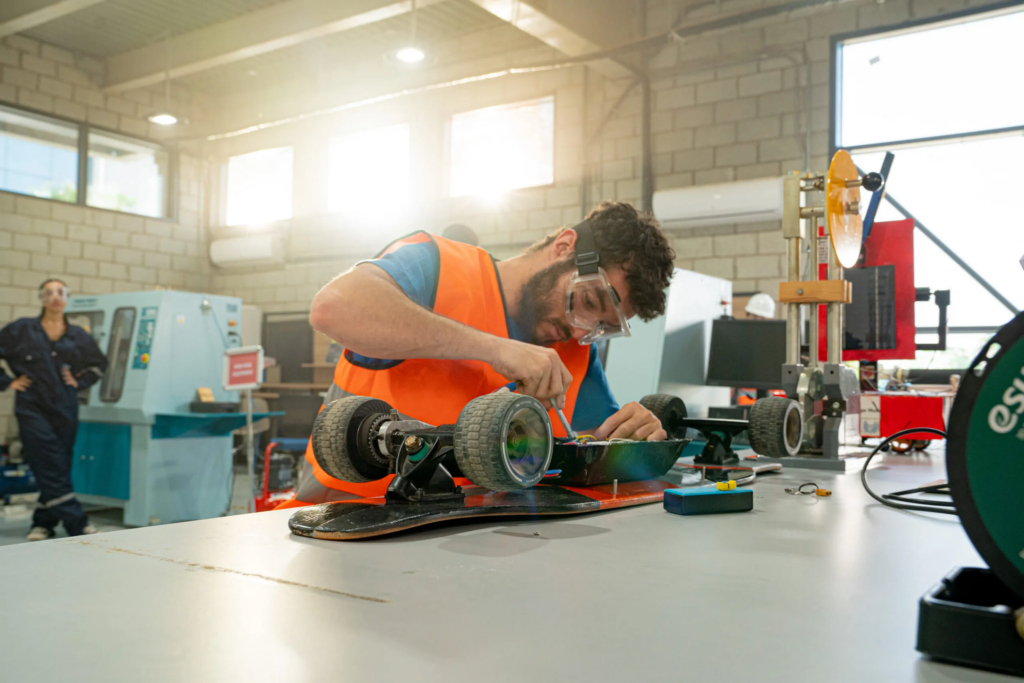
You will have access to modern facilities such as the Manufacturing & Materials Centre, the Civil Engineering & Structures lab, the Hydraulics lab, the Thermofluid lab, the Automation & Control Systems lab, Engineering Lab Building, the Fablab, the Electrical Engineering lab, and the Electronics Engineering lab among many other labs.
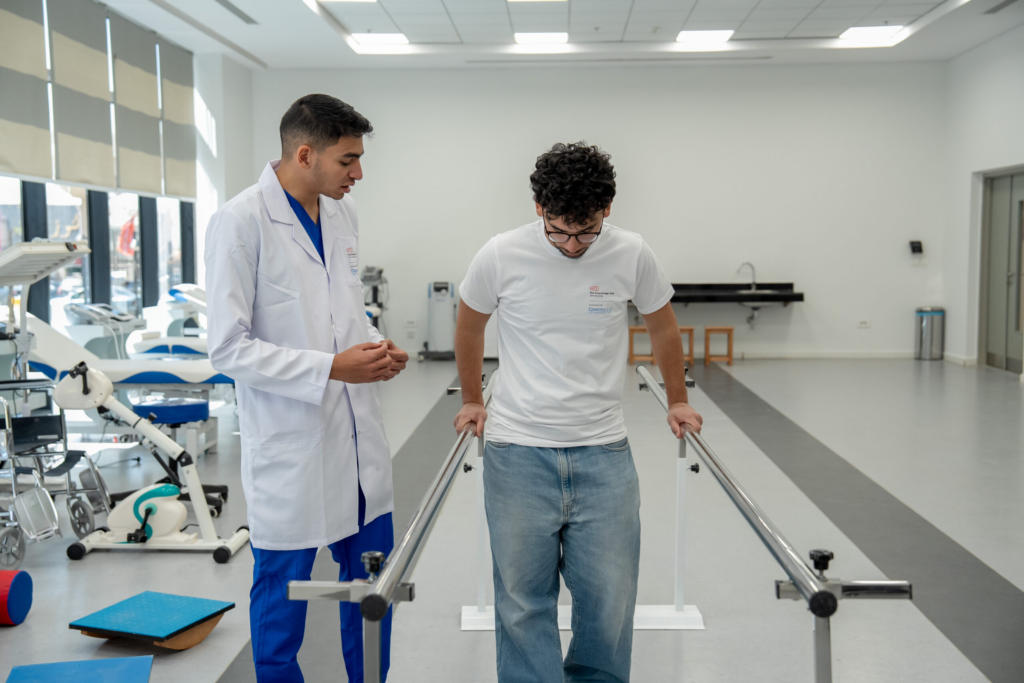
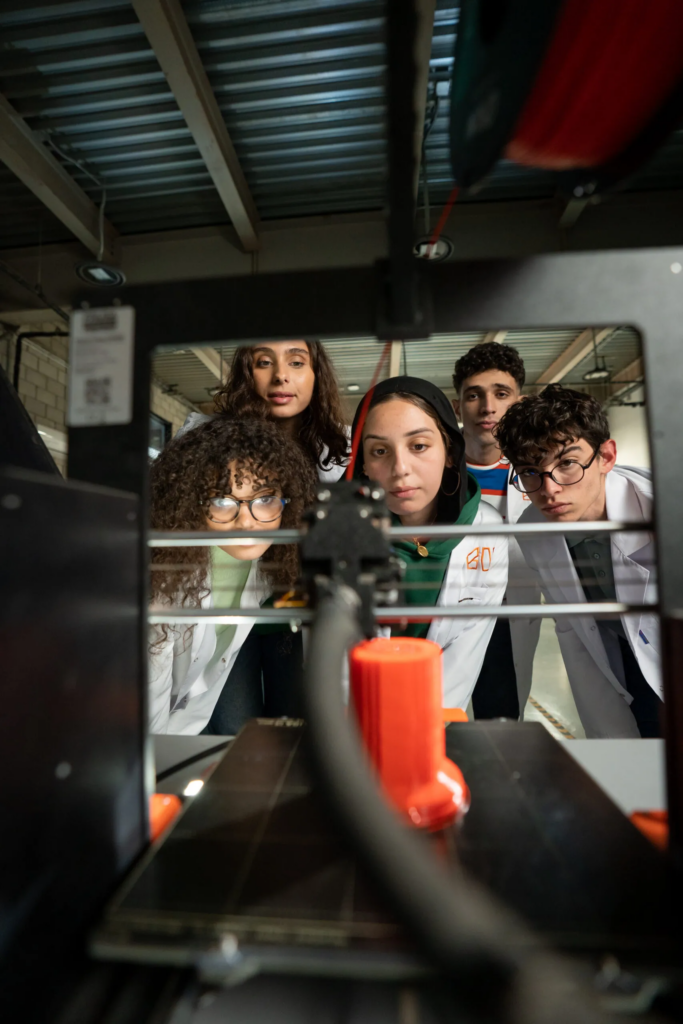
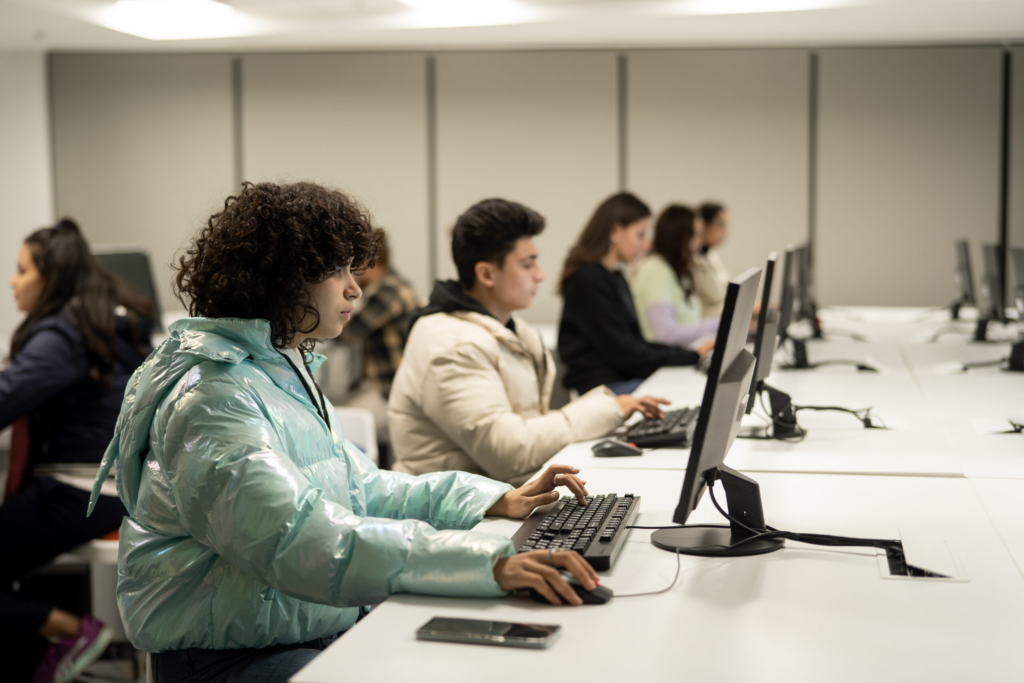
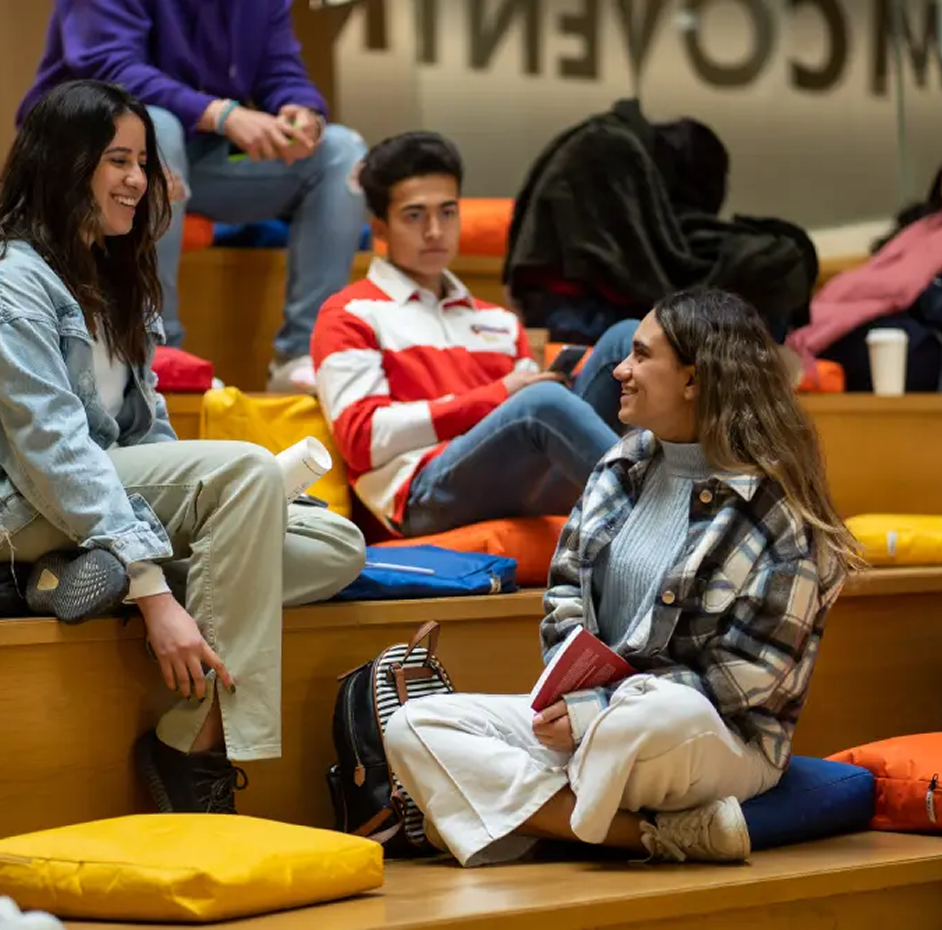
Computer labs Computer labs Computer labs Computer labs Computer labs Computer labs Computer labs Computer labs Computer labs Computer labs Computer labs Computer labs Computer labs Computer labs Computer labs Computer labs Computer labs Computer labs Computer labs Computer labs Computer labs
Field Trips & Internships Field Trips & Internships Field Trips & Internships Field Trips & Internships Field Trips & Internships Field Trips & Internships Field Trips & Internships Field Trips & Internships Field Trips & Internships Field Trips & Internships Field Trips & Internships Field Trips & Internships Field Trips & Internships Field Trips & Internships Field Trips & Internships Field Trips & Internships Field Trips & Internships Field Trips & Internships
AI research center AI research center AI research center AI research center AI research center AI research center AI research center AI research center AI research centerAI research center AI research center AI research center AI research center AI research center AI research center AI research center AI research center AI research center AI research center AI research center AI research center AI research center AI research center AI research center AI research center AI research center AI research center AI research center AI research center AI research center AI research center AI research center AI research center AI research center AI research center AI research center AI research center AI research center AI research center AI research center AI research center AI research center AI research center AI research center AI research center
Innovation hub Innovation hub Innovation hub Innovation hub Innovation hub Innovation hub Innovation hub Innovation hub
Innovation hub Innovation hub Innovation hub Innovation hub Innovation hub Innovation hub Innovation hub Innovation hub
Innovation hub Innovation hub Innovation hub Innovation hub Innovation hub Innovation hub Innovation hub Innovation hub
Innovation hub Innovation hub Innovation hub Innovation hub Innovation hub Innovation hub Innovation hub Innovation hub
Instructors
Supervisor
Supervisor
Supervisor
Supervisor
Supervisor
Stay Updated

BEng Environmental Engineering
BEng Environmental Engineering
BEng Environmental Engineering
BEng Environmental Engineering
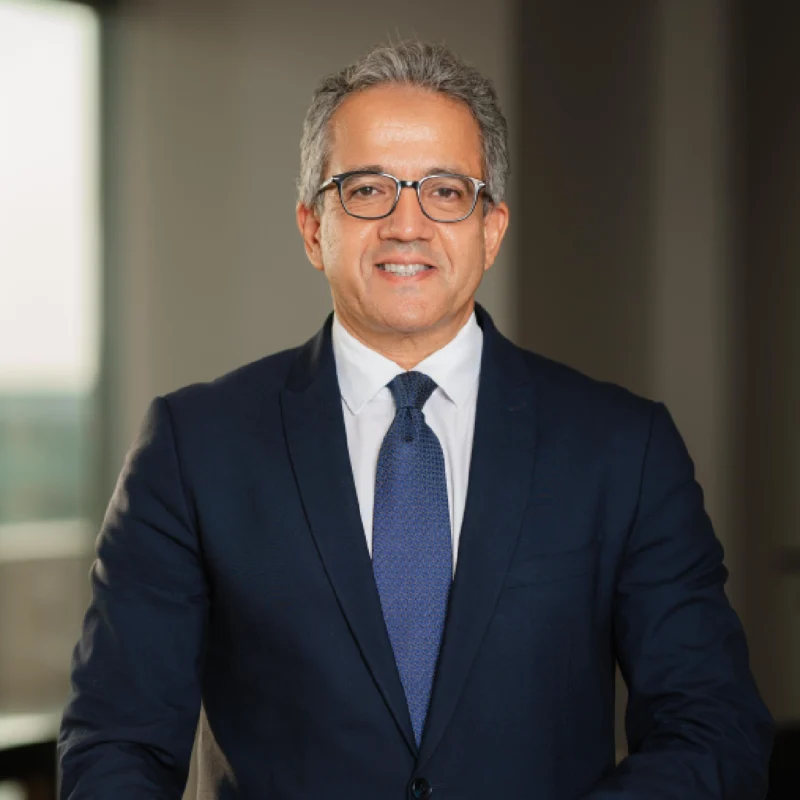
BEng Environmental Engineering
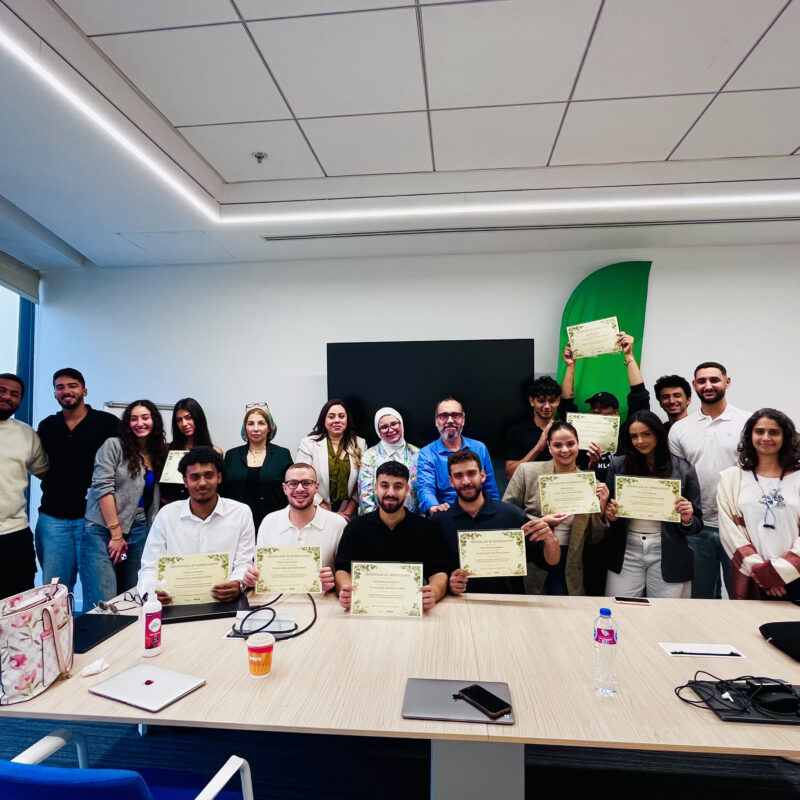
BEng Environmental Engineering
Join us for an Open Day! Discover opportunities and meet our campus. Explore your future with us!
Join us for an Open Day! Discover opportunities and meet our campus. Explore your future with us!